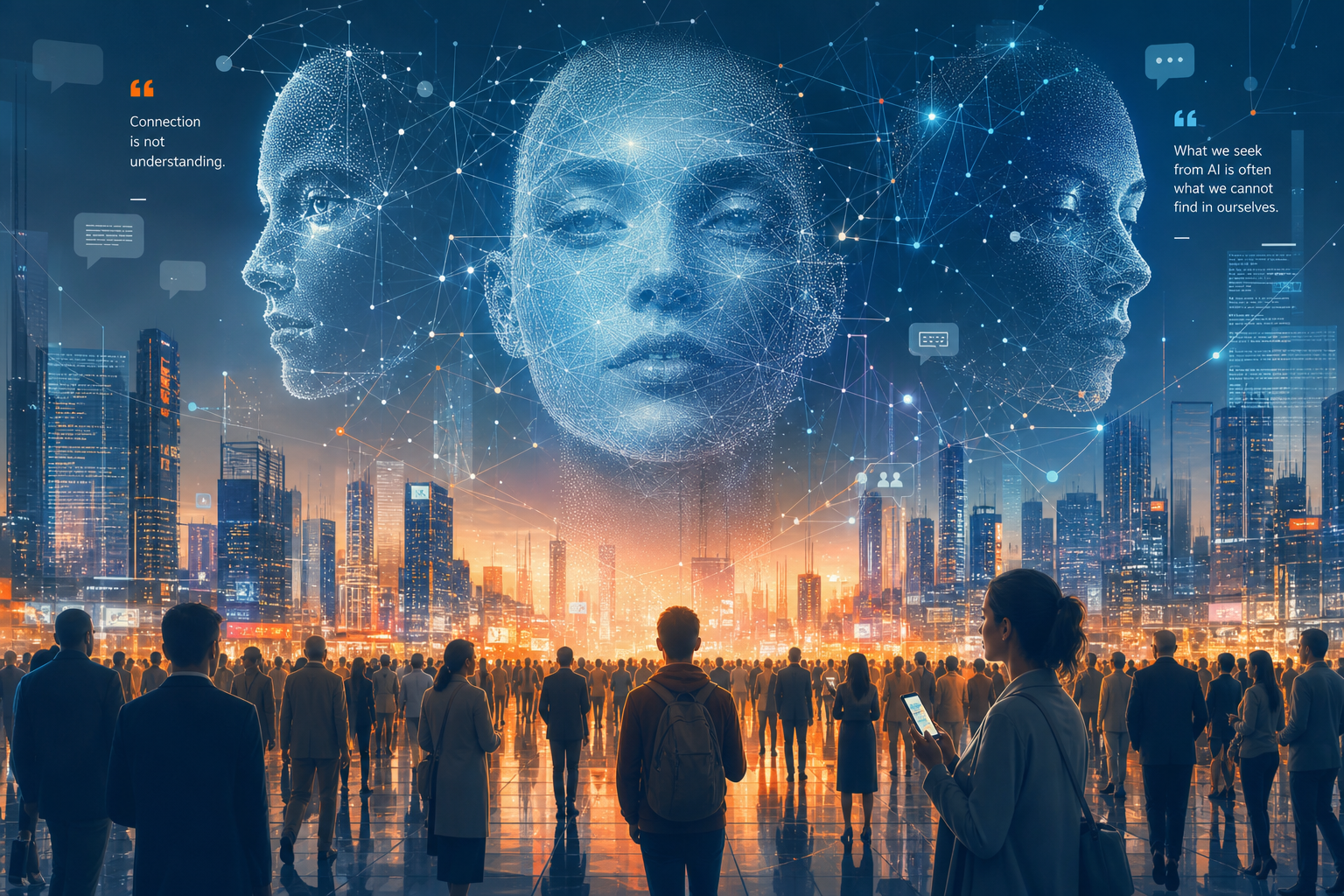
In an age where artificial intelligence seems to be weaving itself into the very fabric of our daily interactions, it's easy to lose sight of what these technologies truly represent. Meredith Whittaker, co-founder of Signal, reminds us of a crucial distinction: AI chatbots are not our friends. This statement may seem obvious at first glance, yet it touches on a deeper, growing concern about how we perceive and interact with AI.
The Human Tendency to Anthropomorphize
Humans have an innate tendency to anthropomorphize—assigning human-like qualities to non-human entities. This psychological quirk is not new; from ancient myths to modern cartoons, we have always strived to bring the inanimate to life, often attributing feelings, consciousness, and intentions to machines that operate purely on algorithms and data. AI chatbots, with their increasingly sophisticated ability to mimic human conversation, are the latest recipients of this anthropomorphic treatment.
Yet, as Whittaker strongly emphasizes, these chatbots lack consciousness. They are not sentient beings capable of genuine interaction. Instead, they are systems designed to analyze inputs and generate outputs based on pre-programmed patterns and vast datasets. The danger lies in forgetting this reality and blurring the lines between human and machine interaction.
Ethical Implications and Societal Impact
Why does this distinction matter? The ethical implications are profound. If we start seeing chatbots as our friends, we risk overlooking critical issues such as privacy, data security, and manipulation. These technologies operate on vast amounts of personal data, and while they provide convenience, they also pose significant risks if not properly managed.
-
Privacy Concerns: Chatbots often require access to personal information to function effectively. This opens up potential vulnerabilities where sensitive data could be misused or compromised.
-
Manipulation and Trust: When AI is perceived as a friendly companion, there is a higher risk of manipulation. Users might unwittingly divulge personal information or make decisions influenced by AI outputs without questioning the underlying motives or biases coded into these systems.
-
Dependency and Social Skills: Over-reliance on AI for interaction could also impact social skills and human relationships. If people begin to prefer chatbot conversations over real human interactions, there could be a detrimental effect on emotional intelligence and empathy.