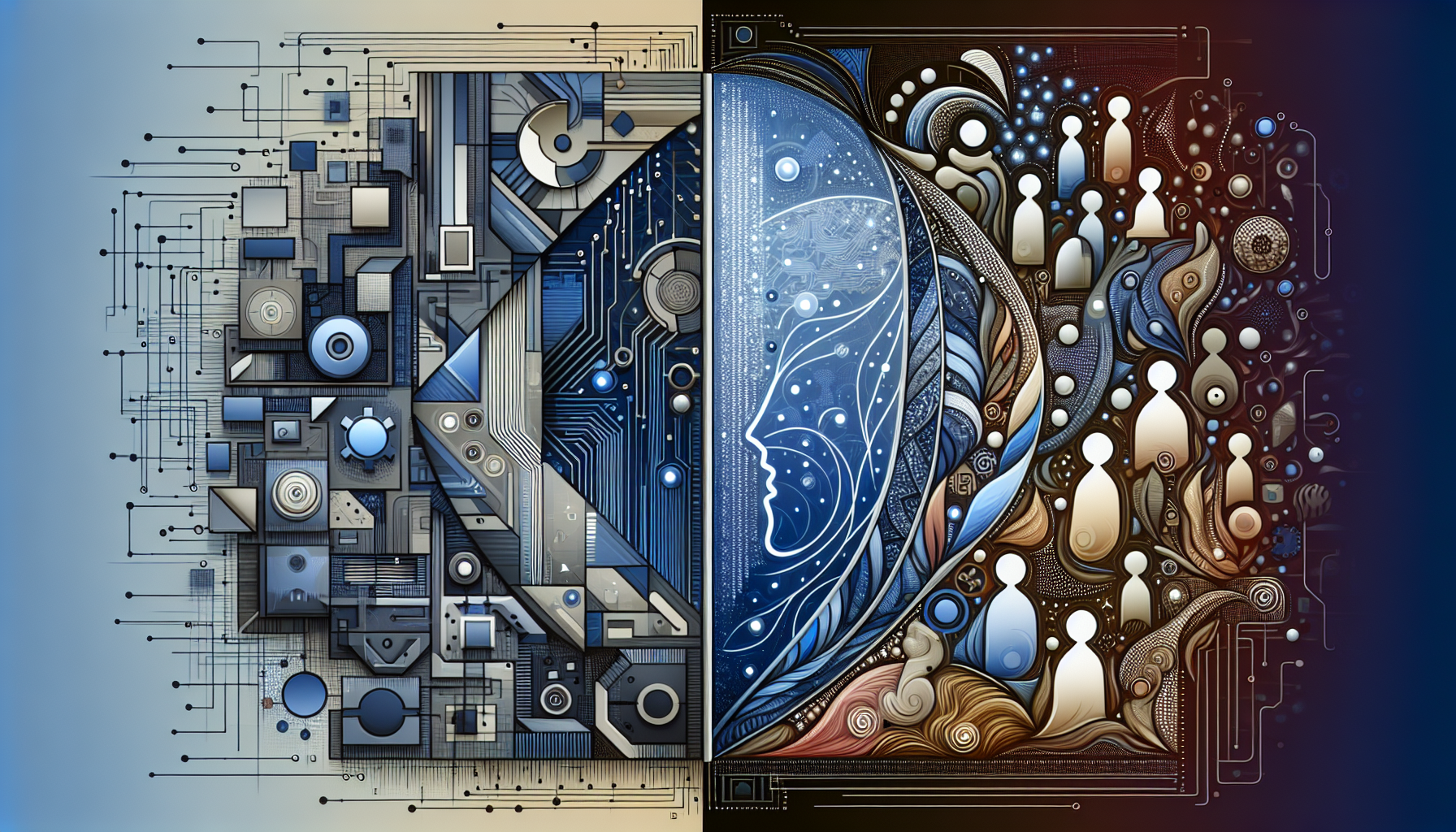
In the rapidly evolving world of technology, artificial intelligence (AI) productivity tools have been heralded as the harbingers of a new era of efficiency. The promise was simple: AI would streamline tasks, reduce workloads, and free up time for more creative and strategic endeavors. However, the reality unfolding in workplaces around the globe presents a different picture. Instead of alleviating the burden, these tools have raised the bar, leading to a paradoxical increase in expectations rather than a reduction in work.
A New Baseline of Performance
Imagine a world where the tools designed to make our lives easier have inadvertently set a new standard for productivity. This is precisely the scenario unfolding in many professional settings today. AI tools, with their ability to automate routine tasks and provide rapid data analysis, have indeed increased efficiency. Yet, rather than enjoying a lighter workload, employees are now expected to achieve even more with the time saved.
This shift has created a new baseline of performance, where meeting higher standards has become the norm. The tools that were supposed to liberate us from mundane tasks are now used to measure our productivity. The expectation to continually surpass previous outputs can be overwhelming, raising questions about the true role of AI in the workplace.
The Pressure of Perpetual Growth
The integration of AI tools has not only altered the expectations of output but has also intensified the pressure on employees. With AI handling the more tedious aspects of work, the focus has shifted to tasks that require human creativity and problem-solving. While this reallocation of tasks can be seen as a positive development, it also places immense pressure on workers to continuously innovate and excel.
Three aspects critical to understanding this pressure include:
-
Increased Competition: As AI tools become more prevalent, the competitive landscape within organizations intensifies. Employees feel compelled to consistently outperform not only their peers but also the AI systems that are now part of their workflow.
-
Burnout Risk: The relentless drive for higher productivity can lead to burnout, as employees struggle to maintain an ever-increasing pace. The expectation to do more in less time is a double-edged sword, where the benefits of AI are offset by the mental and emotional toll on workers.
-
Skill Adaptation: The need to adapt to new technologies and continuously upgrade skills adds another layer of stress. Employees must not only meet higher productivity standards but also stay ahead of technological advancements.
Rethinking AI Implementation in Organizations
Given these challenges, it is imperative for organizations to reassess how they implement AI tools. The goal should not only be to enhance productivity but also to ensure that these advancements contribute positively to employee well-being and job satisfaction.
What this means for organizational leaders:
-
Balanced Expectations: Leaders must set realistic expectations that align with both the capabilities of AI tools and the well-being of their workforce. It’s crucial to recognize the limitations of human capacity and avoid pushing employees beyond their limits.
-
Fostering a Supportive Environment: Creating a culture that values balance over relentless output can help mitigate the pressures associated with AI-driven productivity. Encouraging open dialogue about workload and stress can lead to more sustainable work practices.
-
Investing in Training: Providing ongoing training and support helps employees feel confident in their abilities to leverage AI tools effectively. This investment not only enhances productivity but also empowers employees to harness technology as an ally, rather than a competitor.
The integration of AI in the workplace is undeniably transformative, yet it requires thoughtful management to ensure it serves its intended purpose. As we navigate this new landscape, it is essential to remember that technology should enhance, not detract from, the human experience. By fostering environments where AI is a tool for empowerment rather than an instrument of pressure, organizations can truly harness the potential of these innovations.
What does it mean for the future of work if the tools designed to liberate us instead bind us to higher expectations? Perhaps the answer lies in our ability to balance ambition with empathy, ensuring that the march towards progress is also a journey towards a more humane workplace.