In the ever-evolving landscape of technology and creativity, a fascinating new frontier is being explored by Mariano Salcedo, a master's student at MIT. Salcedo's pioneering work in the Music Technology and Computation Graduate Program is not merely an academic exercise; it is a glimpse into the future where music and artificial intelligence intertwine to transform how we perceive sound.
Bridging the Gap Between Auditory and Visual
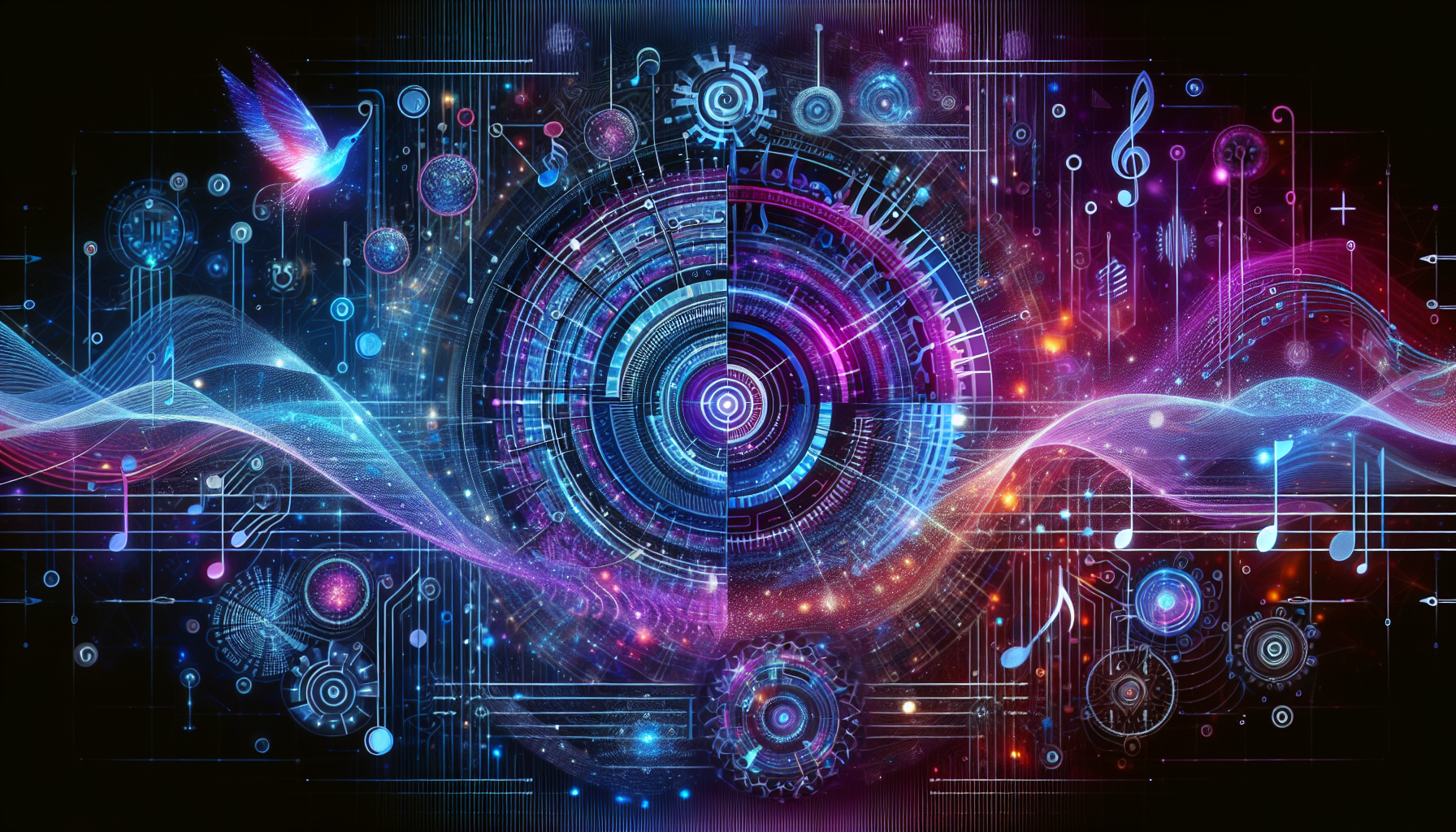
Salcedo's project aims to create an AI system that can visualize and express music and sounds, a concept that challenges our traditional sensory experiences. The idea of "seeing" sounds is not just a metaphor; it is an ambitious endeavor to translate auditory stimuli into visual artforms. Imagine a symphony not only heard but also seen as a dynamic dance of colors and shapes, each note represented by a unique visual signature. This could revolutionize the way we experience music, making it accessible to those who are deaf or hard of hearing and enriching the experience for everyone else.
Such technology holds the potential to redefine concerts and music education, offering immersive experiences that engage multiple senses. It could be a tool for composers and musicians to better convey the emotions and nuances of their work, while also offering audiences a more profound connection with the music they love.
The Intersection of AI and Creative Arts
The integration of AI into creative fields is not without its challenges. Ethical considerations must guide the development of technologies that interpret and represent human expression. As AI becomes more capable of creating and transforming art, the question arises: who owns the creativity— the machine or the human behind it? This debate is particularly relevant in Salcedo's work, where the AI is not just a tool but a collaborator in artistic creation.
Moreover, there is the potential impact on artists and musicians who might fear being replaced by machines. However, rather than a threat, AI should be seen as an opportunity to expand the possibilities of creative expression. By handling repetitive tasks or generating new ideas, AI can free artists to focus on the aspects of creation that require a human touch.
What This Means for the Future of Music
- Enhanced Accessibility: By translating sound into visual formats, music can reach audiences who experience the world differently, such as the hearing impaired.
- New Artistic Mediums: Musicians and artists could explore new mediums where music is not just heard but also seen, adding layers of emotional depth.
- Educational Tools: This technology can serve as an innovative tool in music education, helping students understand complex musical concepts through visual aids.
Reflections on the Human-Technology Relationship
Salcedo's work is a stepping stone towards a future where technology not only serves practical needs but also enriches our cultural and emotional experiences. As we develop systems that can express and interpret human creativity, we must remain vigilant about the ethical implications. The key is not to let technology overshadow human expression but to use it to amplify our creative voices.
The journey of integrating AI into music is just beginning, and it invites us to ponder: how will these tools shape our understanding of art and creativity? Will they lead to a new renaissance of artistic exploration? As we continue to explore these questions, one thing is certain— the fusion of AI and music holds the promise of a richer, more inclusive world of sound and vision.