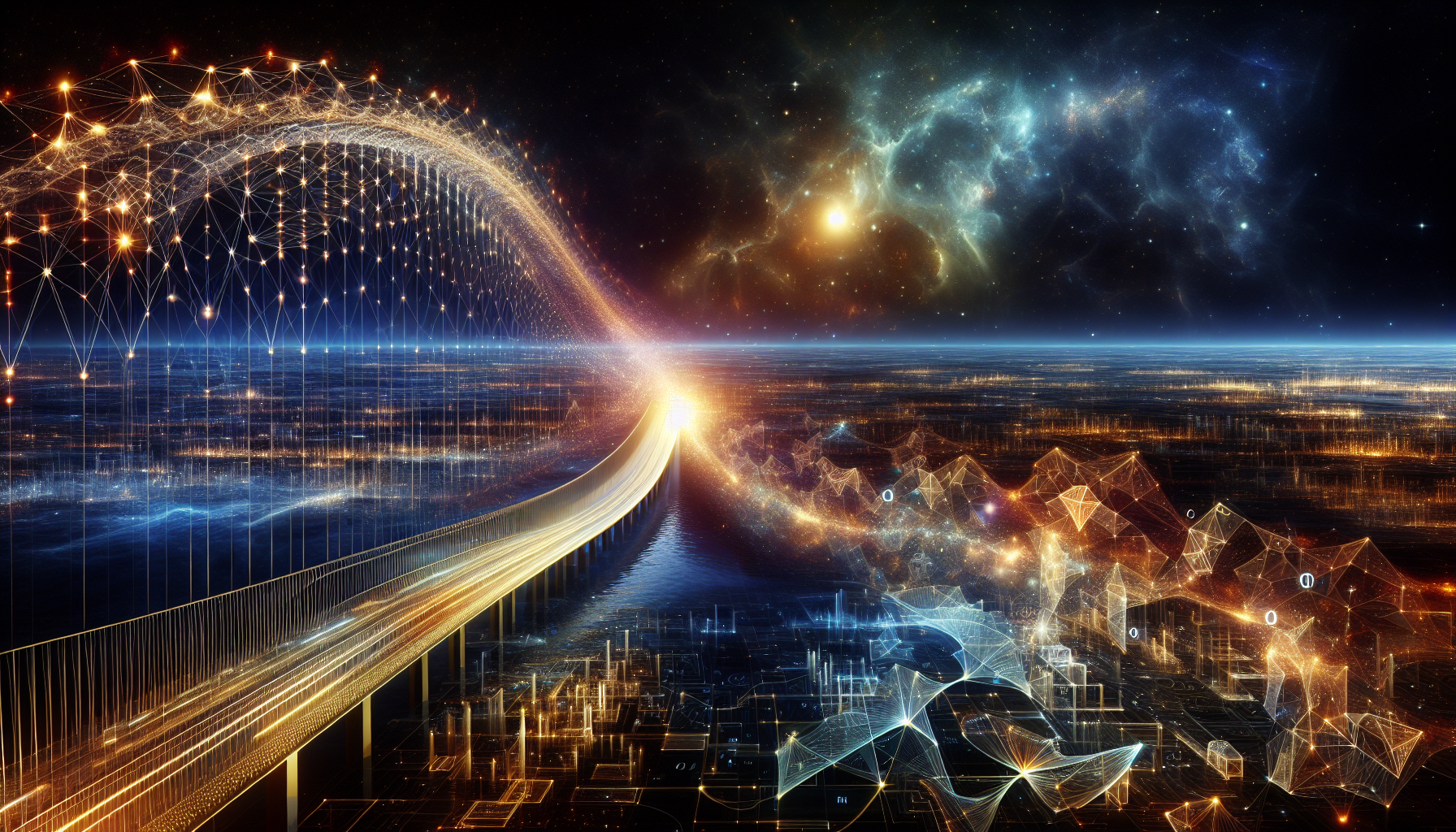
Immagina un ponte, non fatto di acciaio o cemento, ma di idee e potenziale, che collega i regni dell'intelligenza artificiale e delle scienze matematiche e fisiche. Questa è la visione che il Professor Jesse Thaler propone—un canale bidirezionale dove i progressi in un dominio alimentano il progresso nell'altro, creando una relazione simbiotica destinata a ridefinire la nostra comprensione dell'universo.
L'Intersezione tra IA e Ricerca Scientifica
Negli ultimi anni, abbiamo assistito all'evoluzione dell'intelligenza artificiale da tecnologia nascente a pilastro dell'innovazione in diversi settori. Nella comunità scientifica, l'IA non è più solo uno strumento per l'analisi dei dati, ma un catalizzatore per la scoperta. Il Professor Thaler vede l'IA come un attore fondamentale nel districare le complessità delle scienze matematiche e fisiche. Questa sinergia potrebbe portare a scoperte prima inimmaginabili.
Considera i vasti dataset generati dagli esperimenti moderni in fisica—terabyte di informazioni che custodiscono i segreti del cosmo. I metodi tradizionali di analisi faticano a tenere il passo, ma gli algoritmi di IA, con la loro capacità di riconoscimento dei modelli e modellazione predittiva, offrono una nuova prospettiva attraverso cui osservare questi dati. Il potenziale dell'IA non solo di elaborare ma anche di interpretare dataset complessi potrebbe trasformare il nostro approccio alla ricerca scientifica.
L'IA Ispira Nuove Teorie Matematiche
La relazione tra IA e scienze non è a senso unico. Mentre l'IA assiste nella ricerca scientifica, pone anche nuove domande che sfidano i quadri matematici esistenti. Il Professor Thaler suggerisce che queste sfide potrebbero ispirare lo sviluppo di nuove teorie matematiche, esemplificando ulteriormente la natura reciproca di questa relazione.
I sistemi di IA sono costruiti su fondamenta matematiche, eppure il loro comportamento spesso rivela limiti nei modelli matematici attuali. Questo divario rappresenta un'opportunità per i matematici di elaborare nuove teorie che possano descrivere e prevedere meglio il comportamento dell'IA. In sostanza, man mano che l'IA evolve, spinge i confini del pensiero matematico, stimolando l'innovazione in entrambi i campi.
Cosa Significa per il Futuro della Scoperta Scientifica
L'integrazione dell'IA nel processo scientifico non è priva di sfide. Le considerazioni etiche relative alla privacy dei dati, al bias algoritmico e alla trasparenza dei sistemi di IA devono essere affrontate per garantire che questa potente tecnologia venga utilizzata in modo responsabile. Eppure, i potenziali benefici di questa integrazione sono profondi.
- Scoperta Accelerata: L'IA può accelerare notevolmente il processo di ricerca, permettendo agli scienziati di testare ipotesi e analizzare risultati con un'efficienza senza precedenti.
- Comprensione Avanzata: Scoprendo modelli e connessioni all'interno dei dati, l'IA può offrire intuizioni che portano a una comprensione più profonda dei fenomeni scientifici.
- Innovazione Interdisciplinare: La collaborazione tra IA e scienze favorisce un ambiente in cui l'innovazione interdisciplinare può prosperare, portando a soluzioni innovative a problemi complessi.
Un Nuovo Orizzonte per la Conoscenza Umana
Mentre ci troviamo sull'orlo di questa nuova era, la sinergia tra IA e le scienze matematiche e fisiche presenta un orizzonte ricco di possibilità. Il potenziale dell'IA non solo di migliorare le nostre capacità scientifiche ma anche di ispirare nuovi modi di pensare ci sfida a reimmaginare ciò che è possibile.
In questo contesto, ci si deve chiedere: Come evolverà la nostra comprensione dell'universo man mano che l'IA continua a intrecciarsi con la scoperta scientifica? Questa partnership potrebbe svelare risposte a domande che non abbiamo ancora posto? Mentre avanziamo, il ponte che il Professor Thaler immagina ci invita a sognare più in grande e a spingerci oltre, svelando i misteri dell'universo con la potenza combinata dell'ingegno umano e dell'intelligenza delle macchine. ---