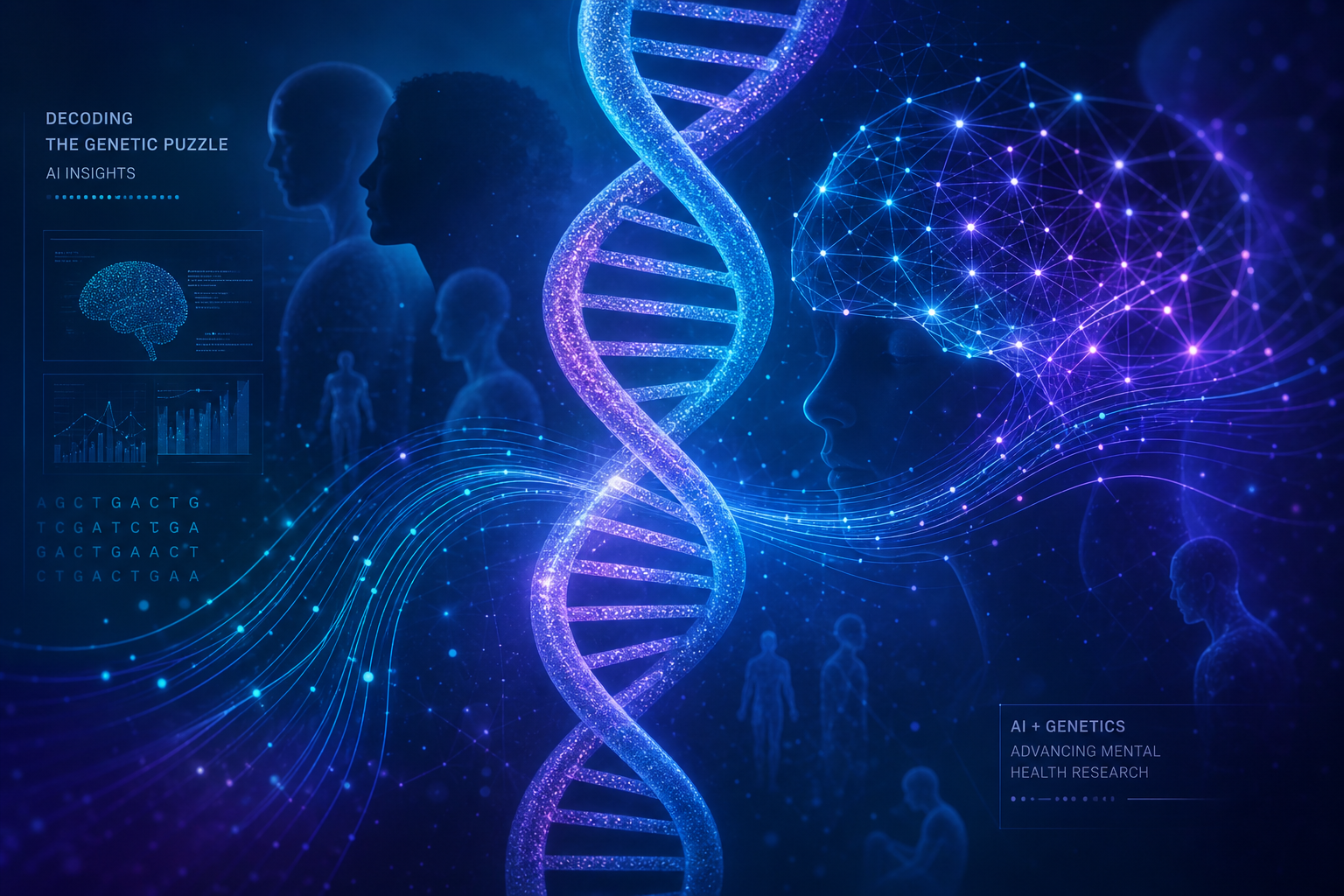
Understanding the complexities of schizophrenia has long been a formidable challenge for the scientific community. The disorder's intricacies lie not just in its symptoms but are deeply embedded in our genetic code. Recent advancements, including a study that analyzed data from over 100,000 individuals, have shed light on this genetic maze, thanks to the pivotal role of artificial intelligence. This breakthrough not only broadens our understanding but also signals the dawn of potential new treatments.
A New Era in Genetic Research
The recent findings provide one of the most detailed depictions of the genetic architecture of schizophrenia to date. This achievement is monumental. It wasn't long ago that scientists grappled with the sheer complexity of the disorder, akin to trying to solve a thousand-piece jigsaw puzzle in a dimly lit room. Now, with AI illuminating the path, researchers have a clearer view of how genetic factors contribute to schizophrenia. While the exact details need further verification, the study has identified numerous regions of the genome associated with the disorder.
AI's ability to process vast datasets with precision has been crucial. For instance, the use of advanced algorithms, including deep learning, enabled scientists to sift through enormous amounts of genetic information, identifying patterns and correlations that were once obscured. This capability allows scientists to pinpoint specific genetic markers associated with schizophrenia, a task previously hindered by the disorder's complexity and the limitations of traditional research methods. For more details on the role of deep learning, refer to the original Wired article.
The Intersection of AI and Medicine
Artificial intelligence is not just a tool for scientific discovery. It's a bridge connecting the realms of computing and medicine, offering insights that were once out of reach. In the context of schizophrenia, AI's contribution is twofold: enhancing our understanding and potentially paving the way for innovative treatments.
By mapping the genetic blueprint of schizophrenia, AI opens new research avenues. Scientists can explore the possibility of developing targeted therapies, potentially leading to personalized treatments tailored to an individual's genetic makeup. However, it's important to note that while AI holds this potential, specific targeted therapies are still under development. The one-size-fits-all approach that often dominates mental health treatment might eventually be replaced by more personalized solutions.