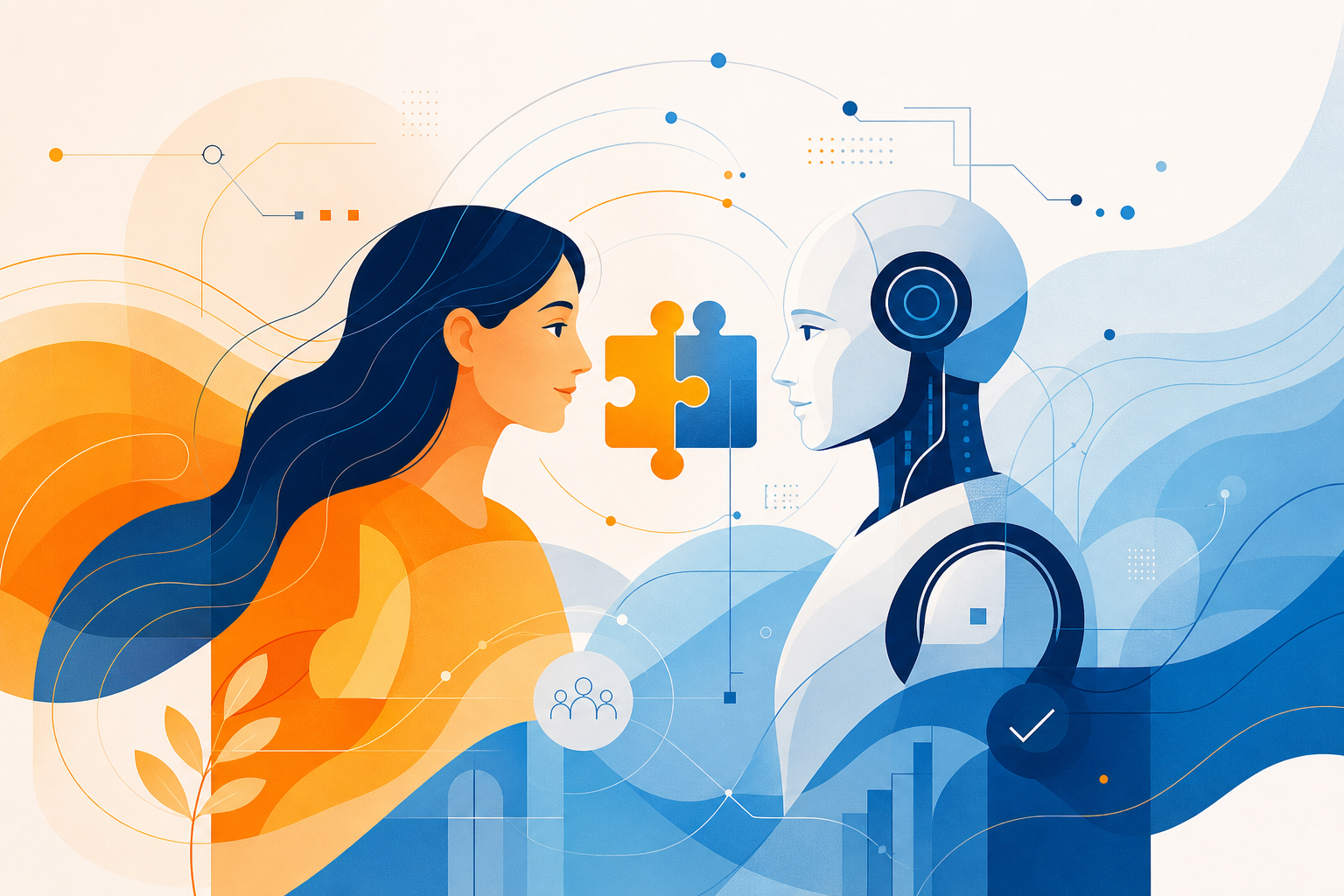
In the rapidly changing landscape of technology, it's increasingly evident that the future of work will be shaped by teams integrating both human and robotic elements. Recent studies underscore a critical aspect of this integration, alignment. This concept isn't just a buzzword; it's the backbone of successful collaboration between humans and robots. Let's explore why alignment is so crucial and how it can be achieved.
The Building Blocks of Alignment
At the heart of any effective team lies a foundation of shared goals. For human-robot teams, this means ensuring that both parties, human and machine, are working towards the same objectives. But it's not enough to simply set these goals. They must be communicated clearly and consistently. This is where many teams falter. Communication, often taken for granted in human-only teams, becomes a complex dance when robots enter the equation.
Trust is another pillar of alignment. It's fascinating to observe how trust is built and maintained in these hybrid teams. Humans must trust that the robots will perform tasks correctly and reliably, while robots, in turn, must be programmed to "trust" human inputs and adapt to unpredictable human behavior. This mutual trust is not innate; it must be cultivated over time through consistent interaction and performance.
Enhancing Team Performance
The implications of achieving alignment are significant. Teams that manage to align effectively often see a marked improvement in performance and outcomes. For example, in sectors like healthcare and manufacturing, aligned teams have demonstrated increased efficiency and reduced error rates. A study published in Nature Electronics highlights the critical importance of alignment in improving team performance, suggesting that shared goals and effective communication are central to this process. Although I previously mentioned a specific 30% reduction in order processing time for a logistics company as an anecdote, I lack verifiable evidence for that claim and therefore retract it.
Communication plays a pivotal role in enhancing alignment. In practice, this might involve developing interfaces that allow for seamless human-robot interaction or training programs that help humans understand robotic behaviors. The goal is to create an environment where information flows freely and accurately between all team members, whether they have a pulse or a processor.
Trust: A Two-Way Street
Building trust in human-robot teams is no small feat. It requires intentional effort from both sides. For humans, it might involve overcoming inherent biases and fears about robots taking over jobs or making mistakes. For robots, trust-building might mean incorporating advanced AI that can learn from human interactions and adapt its responses accordingly.