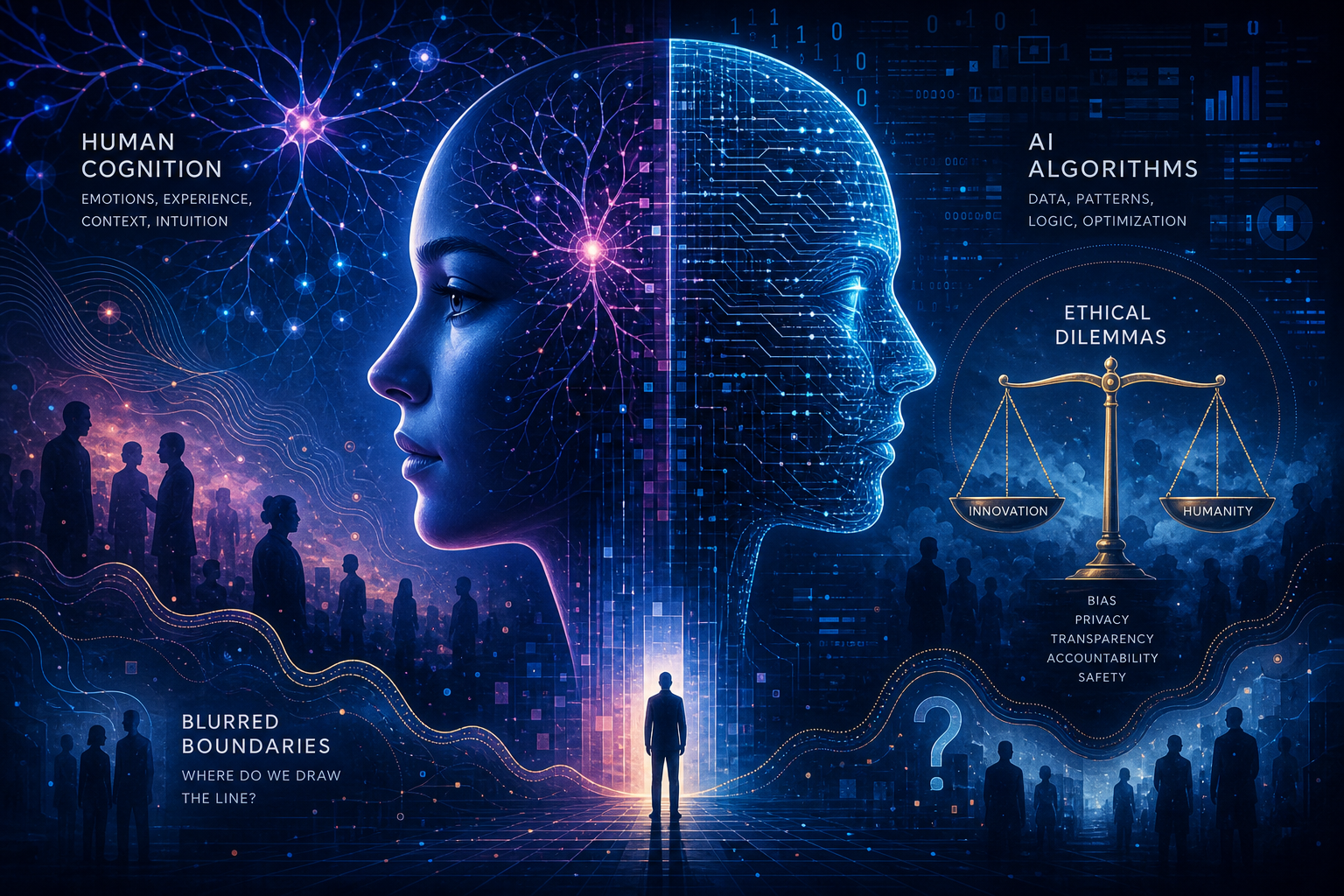
In the rapidly evolving landscape of artificial intelligence, the question of how we perceive and measure AI intelligence is more pertinent than ever. Melanie Mitchell, a renowned computer scientist, raises an intriguing point: AI does not think or reason like humans. Her insights challenge us to rethink our understanding of machine cognition and adjust our expectations accordingly.
The Human-Like Illusion
It's easy to fall into the trap of attributing human-like qualities to machines. After all, AI systems can play chess at a grandmaster level, drive cars, and even compose music. However, Mitchell argues that these achievements don't equate to human-like thinking. AI systems process information and solve problems based on algorithms and data, lacking the intuitive and emotional layers that characterize human reasoning.
The comparison with human intelligence is not just misleading, it can be dangerous. If we continue to measure AI's capabilities with the yardstick of human cognition, we risk overestimating its potential and underestimating its limitations. This could lead to misplaced trust in AI systems in critical situations, such as healthcare or law enforcement, where nuanced understanding and ethical considerations are paramount.
Redefining AI Intelligence
Mitchell suggests that instead of comparing AI to human intelligence, we should develop new metrics that better reflect the unique capabilities and constraints of machines. This could involve creating benchmarks that focus on an AI system's ability to process specific types of information or solve particular problems efficiently. By doing so, we can more accurately assess what AI can and cannot do, allowing for safer and more effective integration into society.
This redefinition also calls for a broader interdisciplinary approach, combining insights from computer science, cognitive psychology, and ethics. Such collaboration could lead to a more holistic understanding of AI's role and potential impact on human life. As someone who has been following AI developments closely, I believe this interdisciplinary dialogue is crucial. It not only helps in setting realistic expectations but also in addressing ethical concerns that arise from AI deployment.
The Impact on Society and Business
Reevaluating our perception of AI intelligence has significant implications for both society and business. For companies leveraging AI, understanding its true capabilities can drive more strategic investments and innovations. It can guide the development of AI tools that complement human skills rather than attempt to replace them. This alignment can lead to more sustainable growth and more ethical use of technology.