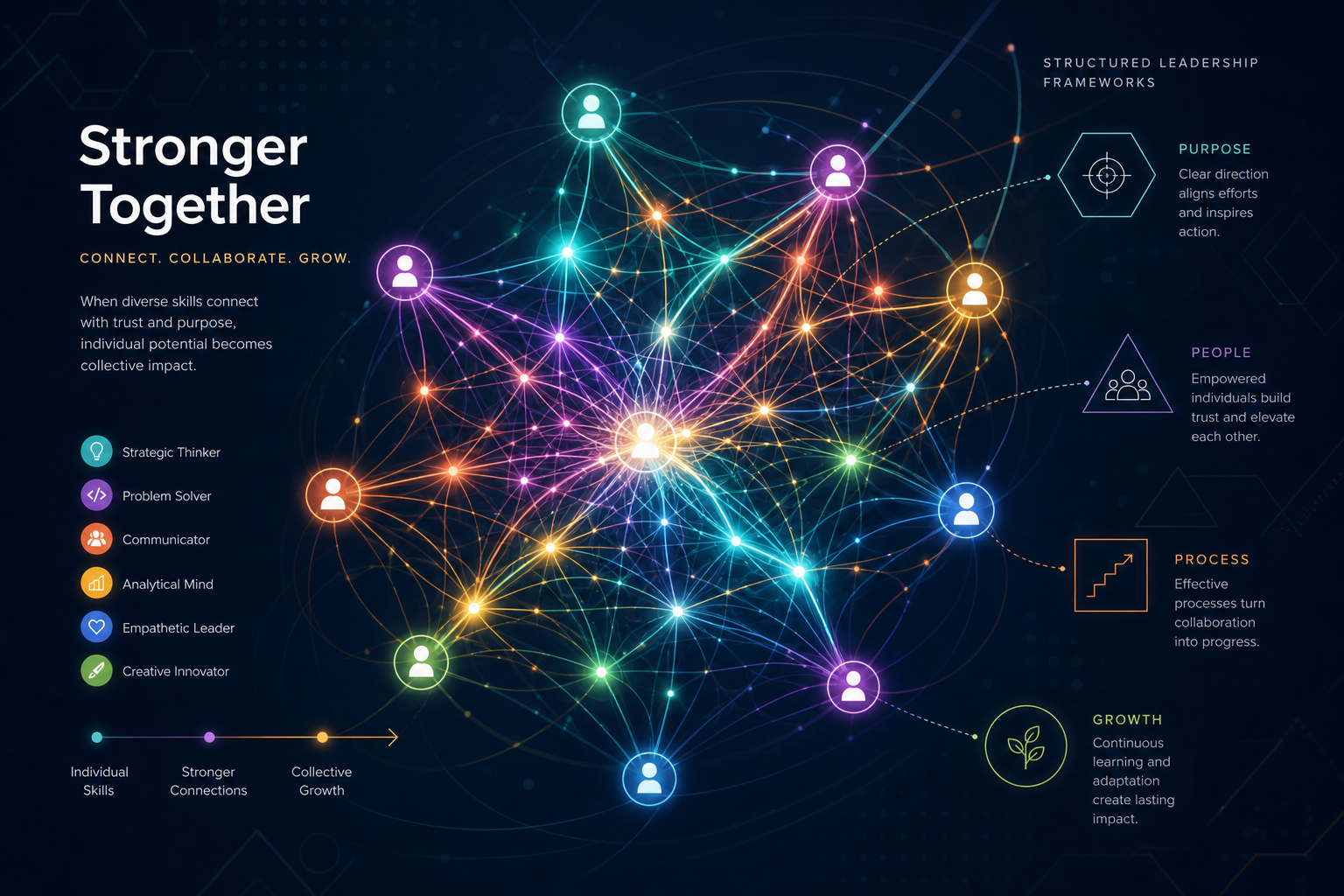
In the ever-evolving landscape of organizational leadership, a subtle yet powerful shift is taking place. Leaders, traditionally focused on honing the skills necessary for performance, are now being encouraged to broaden their scope. The call to action is clear: developing a team’s social capital is just as crucial as enhancing their technical abilities. But why this shift, and what does it mean for today's leaders?
The Changing Face of Leadership Development
For years, leadership development has been synonymous with improving performance metrics. Executives were rewarded based on execution and results, creating a culture where skills were paramount. However, as organizations pivot towards more dynamic strategies, the need for leaders who can navigate complex networks within their teams has become evident. Social capital (the relationships and networks that foster collaboration and innovation) is emerging as a key component of leadership.
Consider a tech startup in Silicon Valley. While technical prowess is indispensable, the ability to connect teams across different functions can spell the difference between a groundbreaking product and a missed opportunity. It's the relationships and trust within teams that drive innovation forward.
Why Social Capital Matters
The emphasis on social capital is not just about creating a pleasant work environment. It directly impacts a company's bottom line. A study by the Harvard Business Review found that companies with high levels of internal collaboration were five times as likely to be high-performing. For large companies, even a small percentage increase in productivity can translate into millions in additional output.
Moreover, social capital enhances resilience. In times of crisis, teams with strong interpersonal bonds are more adept at adapting and finding creative solutions. This adaptability is crucial in industries where change is the only constant.
Bridging Skills and Networks
Developing social capital doesn't mean abandoning skill development. It's about creating a balance where both elements coexist and complement each other. Leaders can encourage this by fostering an environment where communication is open and networks are actively cultivated. This might be through mentorship programs, cross-departmental projects, or even social events that break down silos.
One example of fostering such an environment is Google's approach to encouraging innovation. Although the "20% time" policy has evolved, with some reports suggesting it is now more of a cultural principle than a formal policy, the underlying idea remains: creating opportunities for employees to collaborate outside their usual roles can build networks and enhance skills.