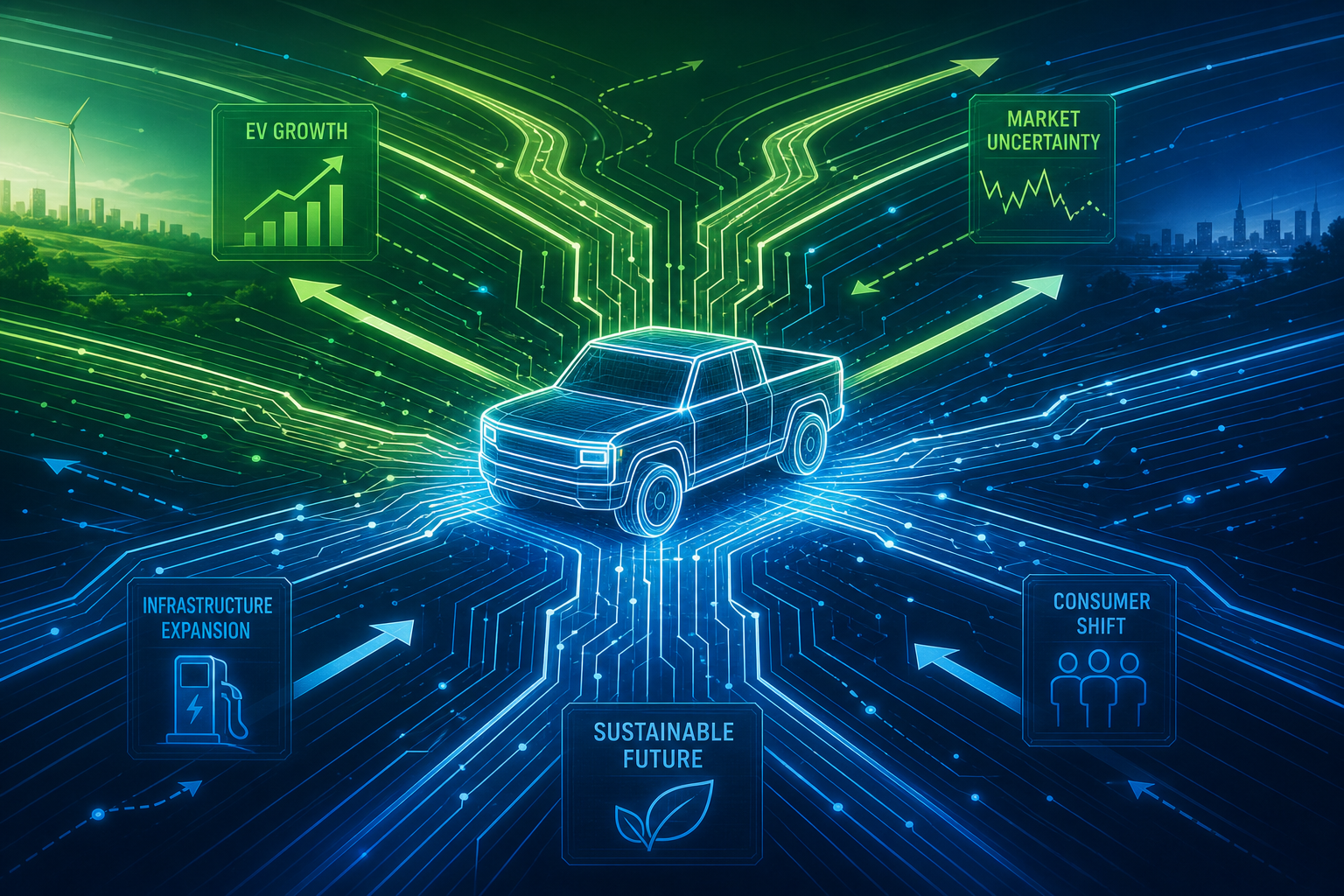
The electric vehicle (EV) market in the United States is at a crossroads. Despite the pressing need for more environmentally friendly transportation options, EV sales have been fluctuating, with the latest reports suggesting they account for just under 10% of new vehicle sales as of mid-2023. This growth is slower than initially hoped, which is concerning given that the transportation sector is the largest contributor to greenhouse gas emissions in the country, accounting for about 29% of total emissions according to the EPA. Into this landscape arrives Slate Auto's new electric truck, a vehicle that some believe could help accelerate this gradual shift in the market.
The Current State of EV Adoption
The modest performance of the EV market is puzzling. With climate change discussions taking center stage globally, one might expect a more robust adoption rate. Yet, the numbers tell a different story. EVs remain a niche choice for American consumers, who appear hesitant to fully embrace this technology. This hesitation might be due to various factors: range anxiety, charging infrastructure, and perhaps the upfront cost of EVs compared to traditional vehicles.
Slate Auto, though not widely recognized in the EV industry, is stepping into this space with its new electric truck. This move is not just about expanding their lineup; it’s about capturing the imagination and wallets of American consumers. However, detailed information about the truck itself and its features remains sparse, leaving room for skepticism about its potential impact.
What Slate Auto Brings to the Table
Slate Auto's entry into the electric truck market comes at a critical time. Trucks have been a staple of American life, representing both utility and lifestyle. By focusing on this segment, Slate Auto taps into a market with immense potential. While specifics about the truck's performance, range, and capabilities are not fully disclosed, the promise is to meet and possibly exceed the expectations of traditional truck buyers.
The company aims to address common consumer concerns, such as range and charging convenience, by investing in partnerships to enhance charging infrastructure. This approach is not just about selling a truck; it's about creating an ecosystem that supports the EV lifestyle. However, the effectiveness of these initiatives will largely depend on their execution and the actual market response.
Challenges in the EV Market
Despite these promising features, the broader market challenges remain. The slower-than-expected growth in EV sales suggests that current strategies might not be resonating with consumers. It's a complex issue that involves market perception, economic factors, and even cultural attitudes towards vehicles. Electric trucks like Slate Auto’s need to overcome these barriers to make a significant impact.
Another hurdle is the economic climate. With inflation and economic uncertainty, consumers are cautious about making significant investments. EVs, often seen as more expensive initially, may not be the top priority for many. This economic backdrop requires innovative financing solutions and incentives to make EVs more accessible.
Reflections on the Future of EVs
Slate Auto's new truck is a bold move in a market that desperately needs revitalization. Whether it can shift the tide for EV adoption in the US remains to be seen. However, what is clear is the necessity for a multi-faceted approach that goes beyond just the vehicle. It requires engaging consumers, enhancing infrastructure, and providing financial incentives.
From my perspective, Slate Auto's strategy is a step in the right direction. The focus on trucks (a beloved American vehicle) could indeed resonate well if the execution matches the ambition. But the real test will be how well they can integrate this offering into the broader lifestyle of their consumers.
As we ponder the future, one must ask: will innovations like Slate Auto's truck be enough to drive a significant shift in consumer behavior, or is a more radical change needed in how we approach transportation and sustainability? The answer to this question could very well define the trajectory of the EV market in the coming years.