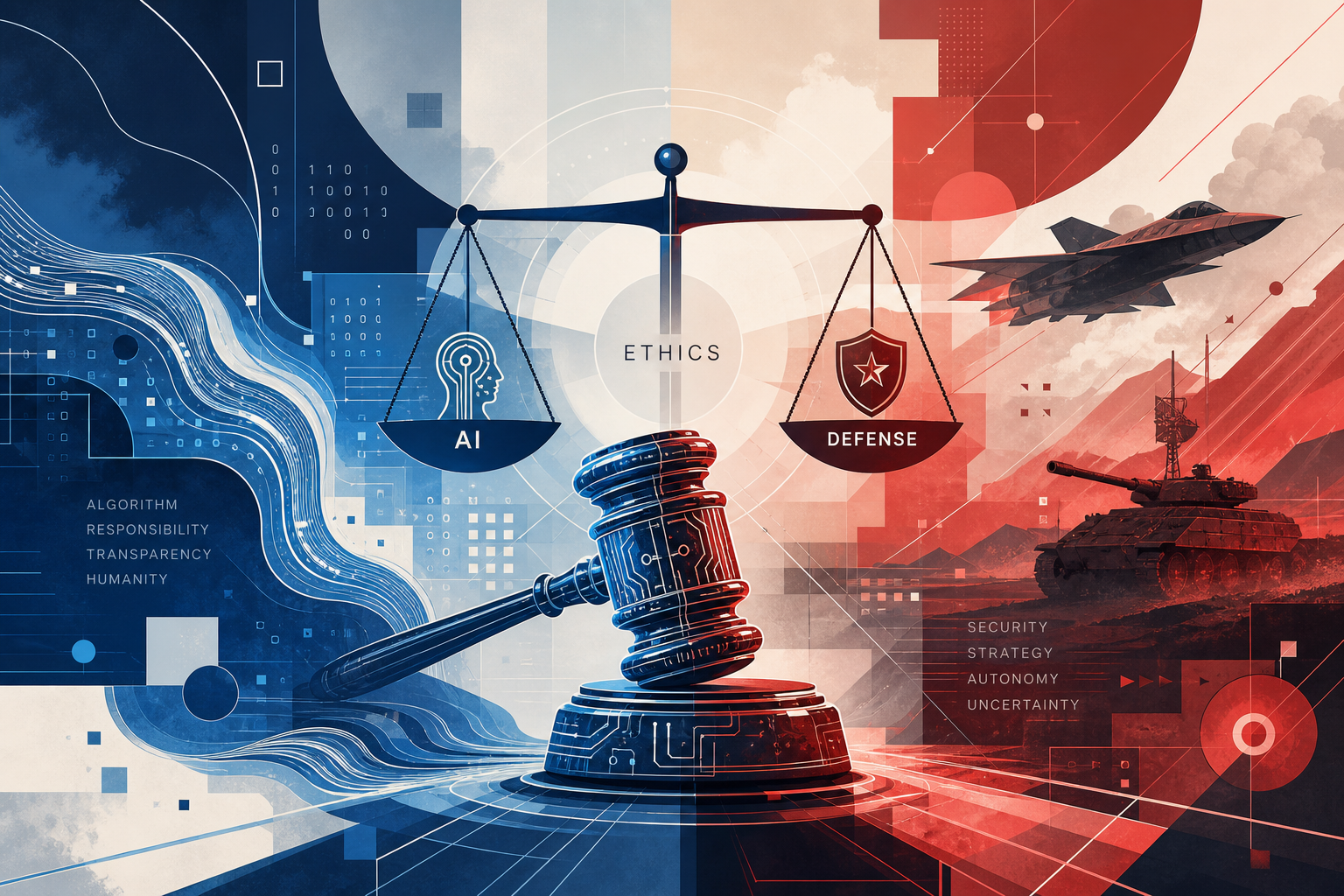
An intriguing development has unfolded with a judge's decision to block the Pentagon's attempt to blacklist Anthropic's AI model, Claude. This pivotal moment not only opens the door for Anthropic's technology in defense applications but also sparks a broader conversation about AI's role in national security and the ethical dilemmas that accompany it.
A Judicial Intervention
The Defense Department had previously barred the U.S. military from using Anthropic's Claude, citing concerns about supply chain risks. While the exact timing of this decision was initially reported as March, the specifics remain somewhat unclear. This move was largely seen as a cautious measure to address potential vulnerabilities associated with foreign dependencies in the tech sphere.
However, the judge's intervention highlights a shift in perspective. It suggests a more inclusive approach to managing supply chain risks, reflecting the judiciary's role in balancing national security interests with technological progress. By blocking the blacklist, the court has prompted a reassessment of what it means to protect supply chains in an era of rapidly advancing AI.
Opportunities and Challenges for AI Vendors
This court decision could signal a shift toward more open policies regarding AI vendors in the military sector. Historically, the defense industry has been hesitant to integrate emerging technologies from newer companies, especially those involving complex AI systems. As AI becomes more integral across various sectors, the military might find it increasingly challenging to disregard potential contributors like Anthropic.
By considering Claude's inclusion, the military could gain access to cutting-edge AI capabilities that enhance decision-making and operational efficiency. Yet, this also raises ethical questions about the deployment of AI in situations with high stakes. The potential benefits must be weighed against the responsibilities of using such powerful tools.
Navigating Ethical Considerations
Integrating AI into military operations presents significant ethical challenges. AI offers distinct advantages in speed and accuracy, but it also raises concerns about accountability and the moral implications of allowing algorithms to make life-and-death decisions.
I find myself reflecting on the balance between innovation and caution. It's exciting to see AI's potential contributions to national security being recognized. Yet, it's crucial that ethical frameworks evolve alongside technological advancements. This involves rigorous oversight, transparent processes, and a commitment to minimizing harm.
Reflecting on AI's Future in Defense
As we contemplate the intersection of AI and national security, this court decision serves as a reminder of the dynamic interplay between technology and policy. It challenges us to consider how we assess and manage risks, especially in sectors critical to national safety.
The case of Anthropic and the Pentagon invites us to reflect on our role in shaping AI's future. How can we ensure these powerful tools are used responsibly? What frameworks are necessary for their deployment in sensitive areas? As we continue to navigate these questions, one truth is clear: the conversation around AI and ethics is just beginning, with implications that will resonate for years to come.