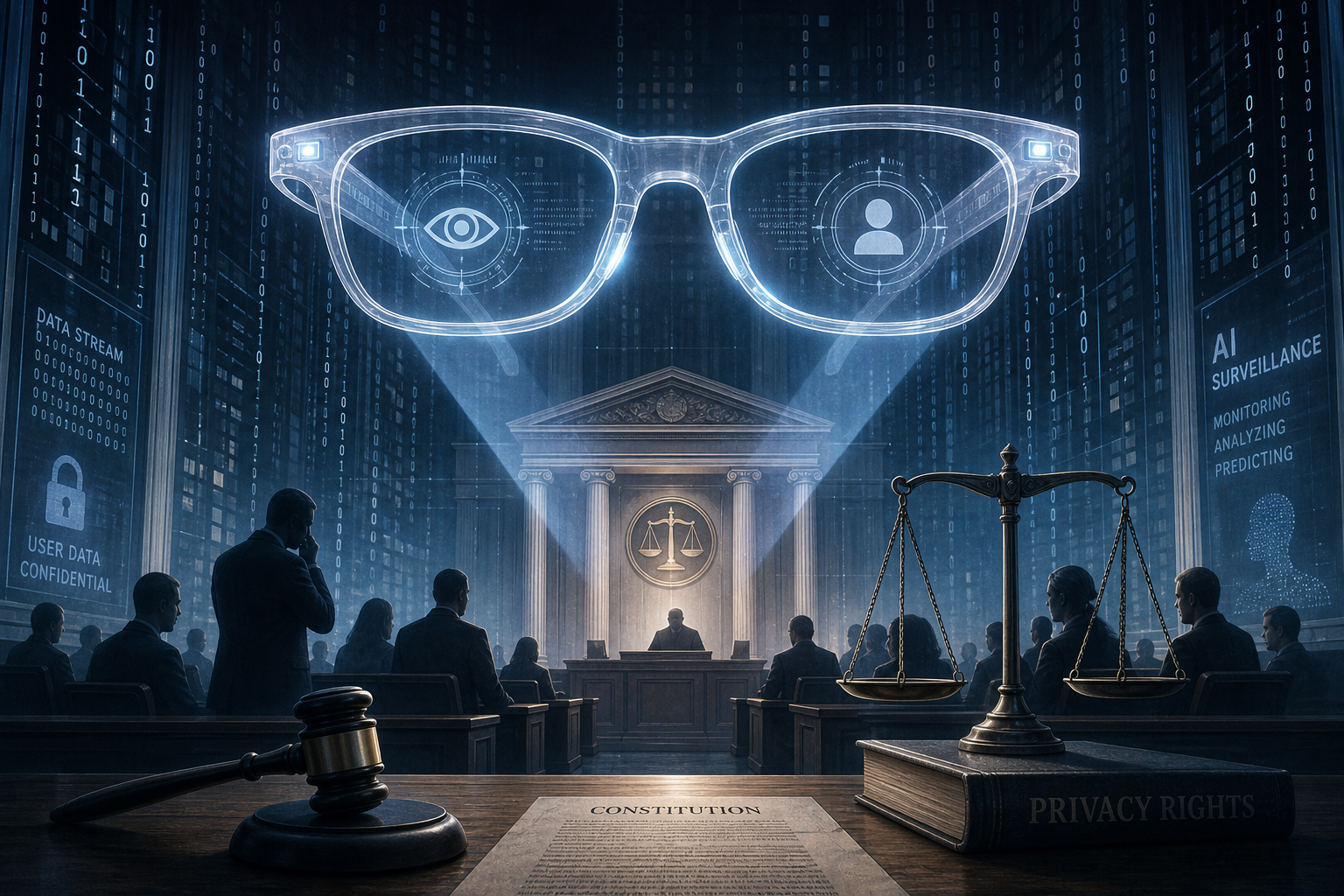
In a move that has sparked intense debate, courts in England and Wales have decided to temporarily confiscate Meta glasses from anyone trying to enter their buildings. These devices are returned when individuals leave, reflecting concerns over privacy and security. This decision mirrors actions by restaurants, theaters, and even New York courts, which announced a ban on these devices last month. The backlash against what many are calling "spyware" grows louder each day.
The Rise of Surveillance Concerns
The crux of the issue lies in the glasses' ability to record video discreetly, a feature that has set off alarms about surveillance and privacy infringements. Imagine sitting in a courtroom, where every word and gesture could be captured without consent. This potential for covert recording is unsettling for many, especially in environments where privacy is paramount.
The introduction of such technology forces us to confront uncomfortable questions. How do we balance technological advancement with individual privacy rights? The fear of being constantly monitored is not new, but Meta glasses bring this fear into sharper focus. They epitomize the growing tension between innovation and ethical boundaries.
Public Reaction and Institutional Response
The public response has been swift and divided. On one hand, there's applause for institutions taking a stand to protect personal privacy. On the other, there's criticism for stifling technological progress. This dichotomy is not surprising. Technology often outpaces our ability to regulate it, and society is left scrambling to catch up.
Restaurants and theaters banning these glasses reflect a broader societal unease. Patrons want to enjoy their meals or performances without the looming possibility of being recorded. It's a desire for a reprieve from the digital eye that seems to watch us constantly. The bans are as much about reclaiming personal space as they are about security.
Ethical Implications for the Future
The decision by courts and other establishments to restrict Meta glasses raises profound ethical questions. Are we moving toward a future where surveillance is normalized, or is there still room for personal privacy? And at what point does the convenience of technology outweigh our right to anonymity?
From my perspective, the bans highlight a necessary pause. A moment to assess where we're headed with technology that can intrude into our lives so seamlessly. It's a call to action for policymakers, technologists, and ethicists to come together and forge a path that honors both innovation and privacy.