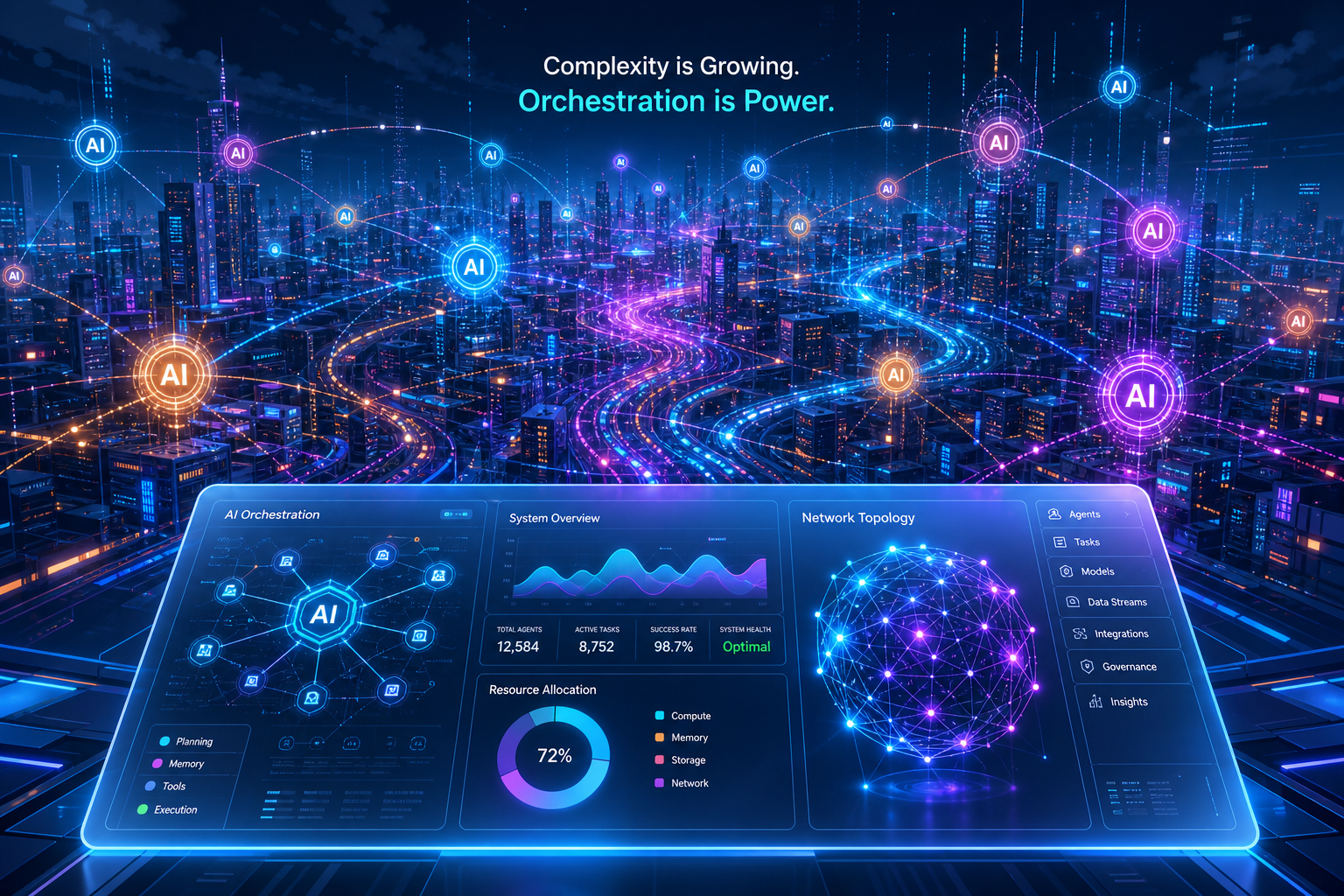
In the rapidly evolving landscape of enterprise AI, a new challenge has emerged. Companies are accumulating AI agents at an unprecedented rate, often outpacing their ability to effectively manage and govern these digital entities. Gartner's prediction is stark: by 2028, the average Fortune 500 company could be managing over 150,000 AI agents, a dramatic increase from the current figures. Yet, only a small fraction of organizations feel equipped with the right governance frameworks to handle this influx. Into this gap steps xpander.ai, a startup aiming to provide a solution that promises control without the chains of vendor lock-in.
The Rising Tide of AI Agents
The numbers tell a compelling story. From fewer than 15 AI agents in operation per Fortune 500 company in 2025, we are looking at an explosion to over 150,000 within just a few years. This isn't just growth; it's a tidal wave. The crux of the problem is not just the sheer volume of agents, but the lack of systems to manage them effectively. According to recent research, only 13% of organizations currently have robust governance mechanisms in place to oversee their AI agents. This gap has created a pressing need for infrastructure that can sit above individual models and agents, handling everything from execution and permissions to lifecycle management.
xpander's Ambitious Solution
Enter xpander.ai, a company founded by three former AWS principal engineers, which is now making waves with its enterprise AI agent platform. The platform offers a vendor-neutral control layer for building, running, and governing AI agents across various models and frameworks. This approach addresses several pain points voiced by enterprise customers: lack of centralized governance, isolated agent workflows, and the risk of infrastructure becoming tied to a single AI provider.
David Twizer, CEO and co-founder of xpander.ai, underscored the importance of this neutrality. "The most critical issue is being locked into one vendor," he noted. "Everything you do becomes owned by the company you choose to work with." However, while xpander's platform promises vendor neutrality, it introduces a new form of dependency. The proprietary Universal Harness and control plane could become a new layer of lock-in if migration proves challenging.
A Competitive Landscape
xpander is not alone in tackling these challenges. The market is evolving beyond a simple divide between proprietary platforms and neutral alternatives. Companies like LangChain, CrewAI, and Temporal offer varied solutions that emphasize model portability, centralized governance, and robust execution for AI workflows.