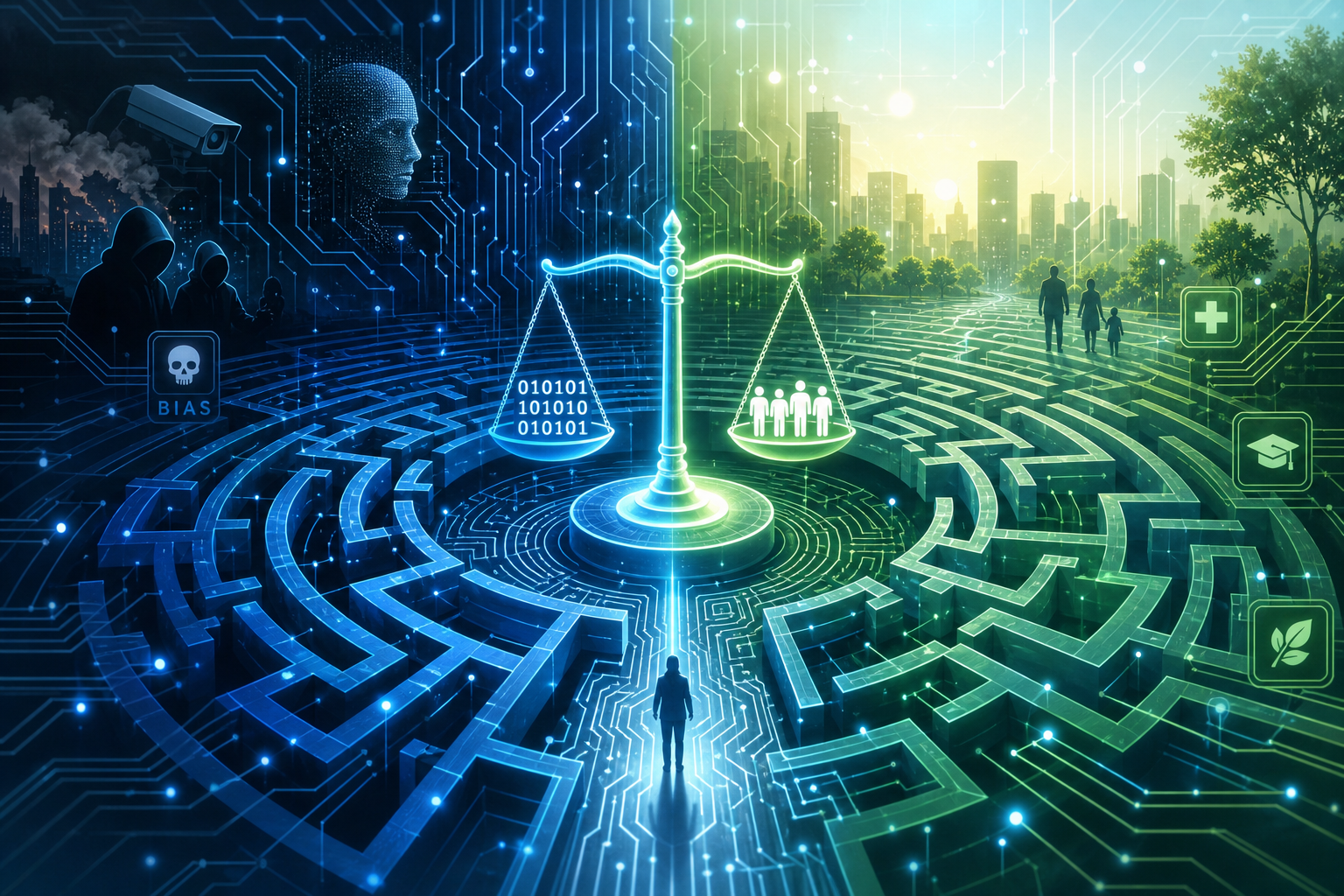
Artificial Intelligence (AI) is no longer a futuristic concept. It’s here, embedded in our daily lives, driving decisions and actions with a speed and complexity that often leave us in awe. But as AI becomes more pervasive, it also brings with it a Pandora’s box of ethical challenges. Recently, I came across a fascinating piece discussing a four-step playbook aimed at preventing bots from breaking things, including laws. This got me thinking about how we can balance the incredible potential of AI with the very real risks it poses.
The Four-Step Playbook: A Closer Look
At the heart of the article is a straightforward yet profound idea: AI systems must be designed, monitored, and managed with careful attention to avoid unintended consequences. The proposed playbook outlines four crucial steps to achieve this. First, there's the need for intentional design. Bots should be programmed with ethical guidelines and specific boundaries from the outset. This is not just about avoiding harm; it’s about actively embedding a moral compass into the technology.
Second, oversight is key. Just like a parent keeps an eye on a child, AI systems require constant supervision. This doesn’t mean micromanaging every action but rather ensuring there's a framework in place to catch potential issues before they escalate.
Third comes continuous monitoring. In the fast-paced world of AI, what is ethical today might not be tomorrow. Continuous monitoring ensures that bots remain within legal and ethical boundaries as they evolve.
Finally, the playbook emphasizes feedback loops. These are crucial for learning and adaptation, allowing AI systems to refine their behavior based on real-world outcomes. This is akin to how we humans learn from our mistakes and adjust our actions accordingly.
The Human Element in AI Ethics
As I pondered this playbook, one thing stood out: the irreplaceable human element. While AI can process data at lightning speed and identify patterns we might miss, it lacks the nuanced understanding of context and emotion that humans possess. This is where human oversight becomes indispensable.
For instance, consider the potential biases that can creep into AI systems. Left unchecked, these biases can lead to discriminatory outcomes, perpetuating existing inequalities. Humans, with our ability to empathize and understand complex social dynamics, are essential in identifying and correcting these biases.
Moreover, there's the issue of accountability. If an AI system makes a decision that leads to unforeseen harm, who is responsible? The designer? The company deploying the AI? This question of accountability is a legal and ethical quagmire that we are still figuring out. Until we have clearer answers, human involvement in AI oversight remains crucial.