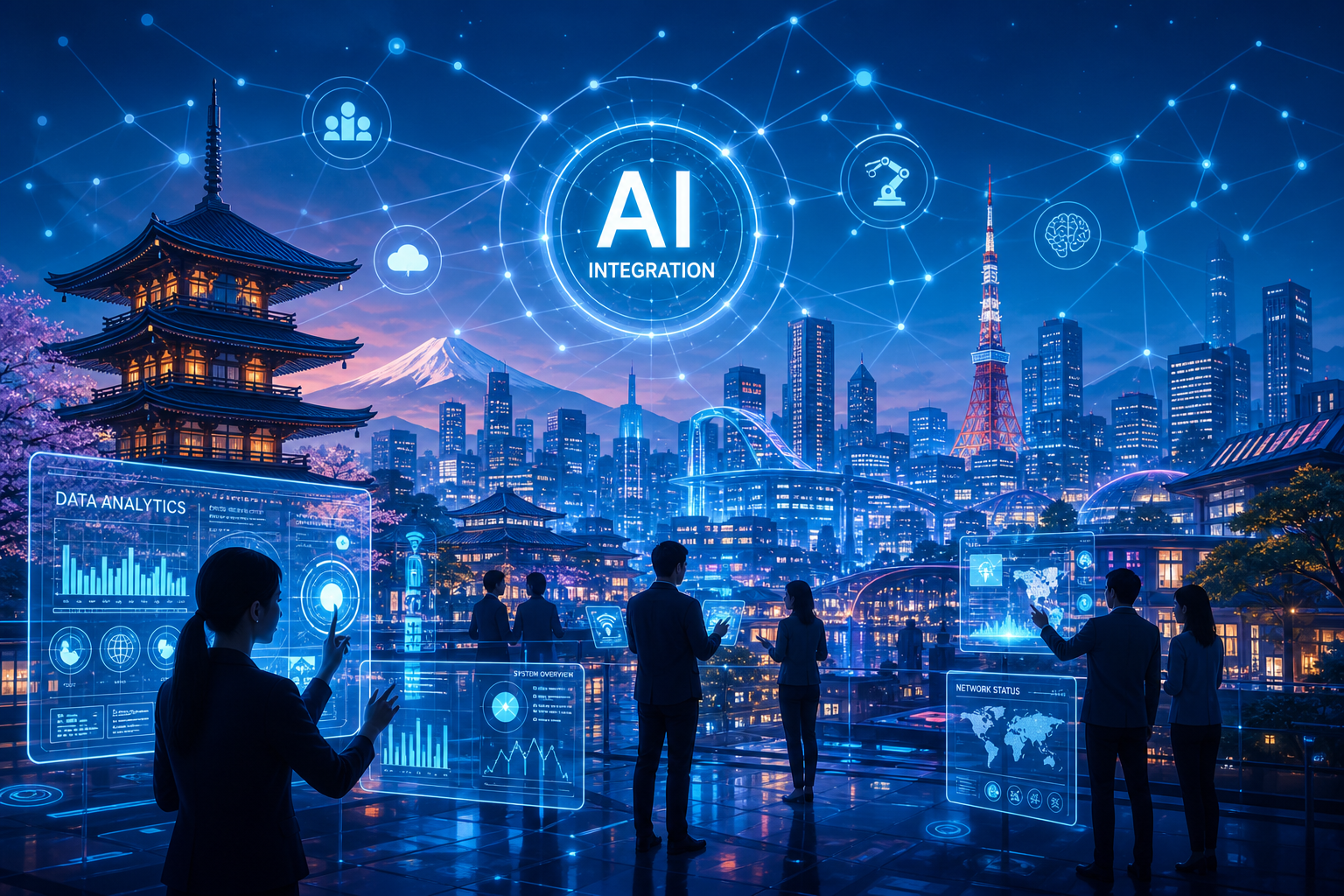
As technology becomes increasingly intertwined with our daily routines, Japan is making a significant leap by integrating artificial intelligence into public administration. At the forefront of this transformation is Polimill, which is developing a pioneering AI infrastructure for the public sector. This initiative promises to transform how municipalities function by utilizing OpenAI's GPT models and Codex. These tools aim to streamline the retrieval and application of administrative knowledge in a way that has not been done before. But the question remains: how exactly will this reshape local government operations in Japan?
The Power of AI in Public Services
Polimill's effort isn't just about adopting new tech; it's about reimagining public service delivery. By implementing OpenAI's advanced models, municipalities can boost their efficiency in handling administrative tasks. Imagine a municipal office where retrieving information is instantaneous and decision-making processes are driven by precise data insights. This isn't a futuristic vision. It's a tangible goal that Polimill is working towards in Japan.
Currently, the models are being deployed in pilot programs across several municipalities, focusing on areas like document management and citizen interaction. The deployment of AI in public administration can significantly reduce the workload on human resources. This shift allows employees to focus on tasks requiring human judgment. As routine tasks become automated, staff can devote their energies to enhancing community engagement and policy development. This could lead to governance models that are more responsive and tailored to the specific needs of each municipality.
Accelerating Development with AI
Local governments often struggle to adapt swiftly to new challenges due to bureaucratic inertia. Polimill's project tackles this by offering tools that accelerate development and innovation. With AI, municipalities can rapidly analyze vast datasets, spot trends, and implement changes quickly.
Imagine the potential in urban planning. AI could provide predictive models to optimize land use or improve traffic flow. In public health, rapid data analysis could boost disease tracking and resource allocation. The possibilities are immense, and the impact is significant. By embracing these technologies, local governments can transform their operations and improve citizens' quality of life.
Challenges and Opportunities
While AI integration offers clear benefits, the journey is not without hurdles. Data privacy and security concerns must be addressed to build public trust. Additionally, ensuring the technology is accessible and beneficial to everyone, not just a select group, is crucial.
I believe these challenges can be overcome with thoughtful planning and inclusive policies. Engaging with communities and fostering transparency will ensure AI becomes a tool for empowerment, not exclusion. The opportunity exists to craft a framework that balances innovation with ethical considerations.
A New Era for Local Governance
Polimill's project represents more than just a technological upgrade. It's a shift in how we view public administration. Integrating AI into municipal processes heralds a new era where technology and governance intersect, creating more efficient and adaptive public services.
As we find ourselves at this crossroads, we must ask: how will we navigate this new landscape? The answer lies not just in technology but in the collective will of governments, communities, and innovators. Together, we must forge a future that is inclusive and equitable. This is not just Japan's story. It's a global narrative inviting us all to shape the future of public administration.