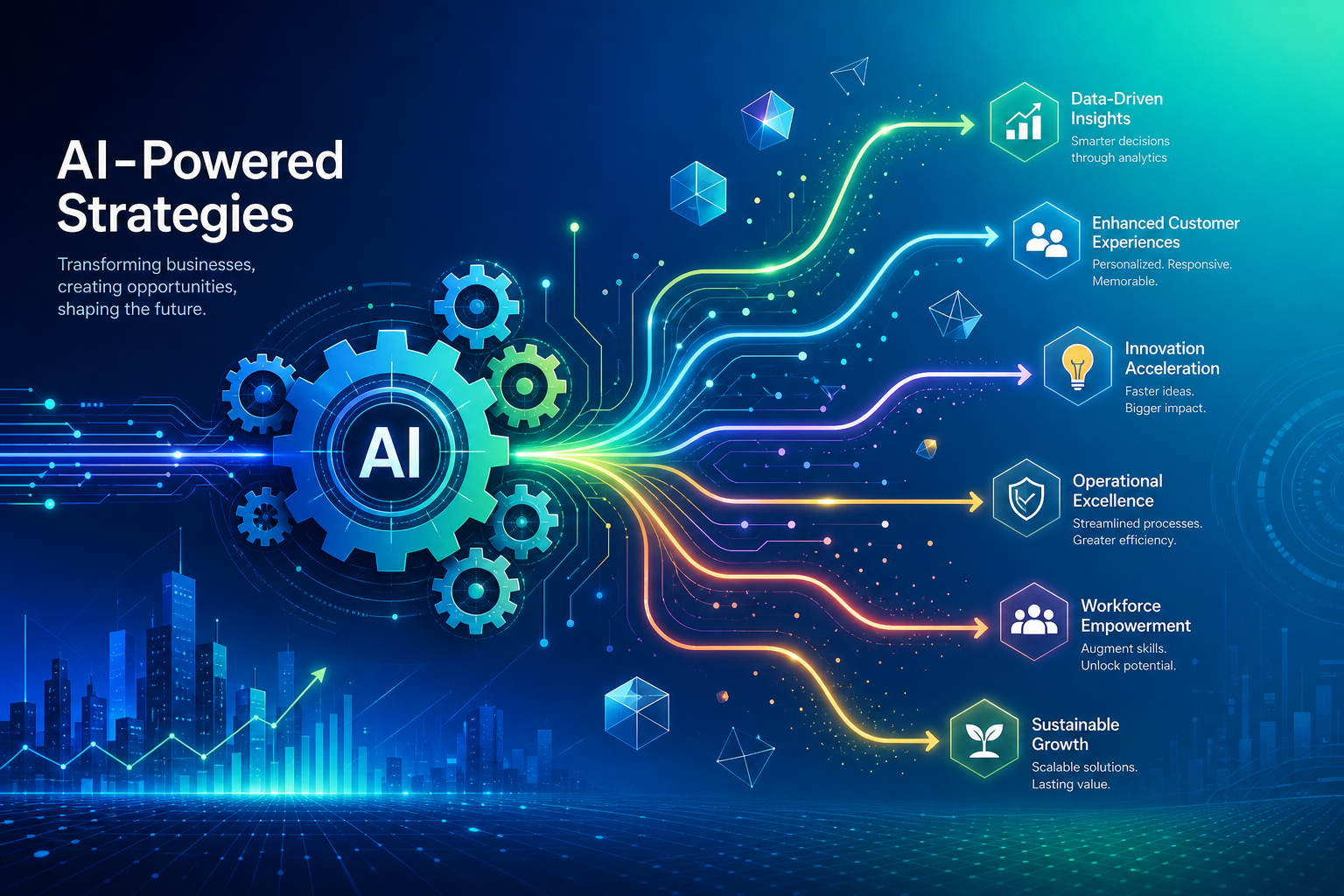
In the evolving landscape of artificial intelligence, businesses have been fixated on a particular metric: how many jobs can AI replace? This narrow focus, while seemingly straightforward, might be steering companies away from truly unlocking AI's potential. A recent report by Tomas Gorny, published on Inc.com, suggests a paradigm shift towards evaluating AI's role in enhancing organizational capabilities. Gorny introduces the concept of 'capability yield,' which could redefine how we perceive the value of AI in business.
The Limitations of Job Replacement Metrics
For years, the allure of AI has been tied to its potential to automate tasks and, consequently, reduce the need for human labor. The idea is simple: fewer employees mean lower costs and potentially higher profits. However, this perspective misses a crucial point. By concentrating solely on job replacement, companies might overlook how AI can actually augment human capabilities, leading to innovation and growth that go beyond mere cost savings.
Consider a customer service department. The traditional metric might focus on how many agents AI can replace. But what if AI could instead enable those agents to resolve queries faster, improve customer satisfaction, and free up time for more complex issues? The value of AI in this scenario is not in reducing headcount but in enhancing the team's overall effectiveness.
Embracing Capability Yield
The concept of 'capability yield' shifts the focus from replacement to enhancement. It encourages businesses to ask a different set of questions: How can AI amplify our existing strengths? In what ways can it open new avenues for growth? This perspective invites a more holistic evaluation of AI's impact, considering not just direct cost reductions but also the long-term benefits of increased innovation and agility.
Take, for example, a logistics company using AI to optimize delivery routes. If the primary metric is job reduction, the potential of AI could be undervalued. However, if we assess the capability yield, we might find that AI reduces delivery times, lowers fuel consumption, and improves customer satisfaction. These are outcomes that contribute to a stronger, more competitive business.
The Business Impact of Capability Yield
Shifting to a capability yield framework means redefining success. It requires businesses to develop new metrics that capture AI's broader impacts. This might involve tracking improvements in customer experience, speed of innovation, or even employee satisfaction as they engage with more meaningful work.