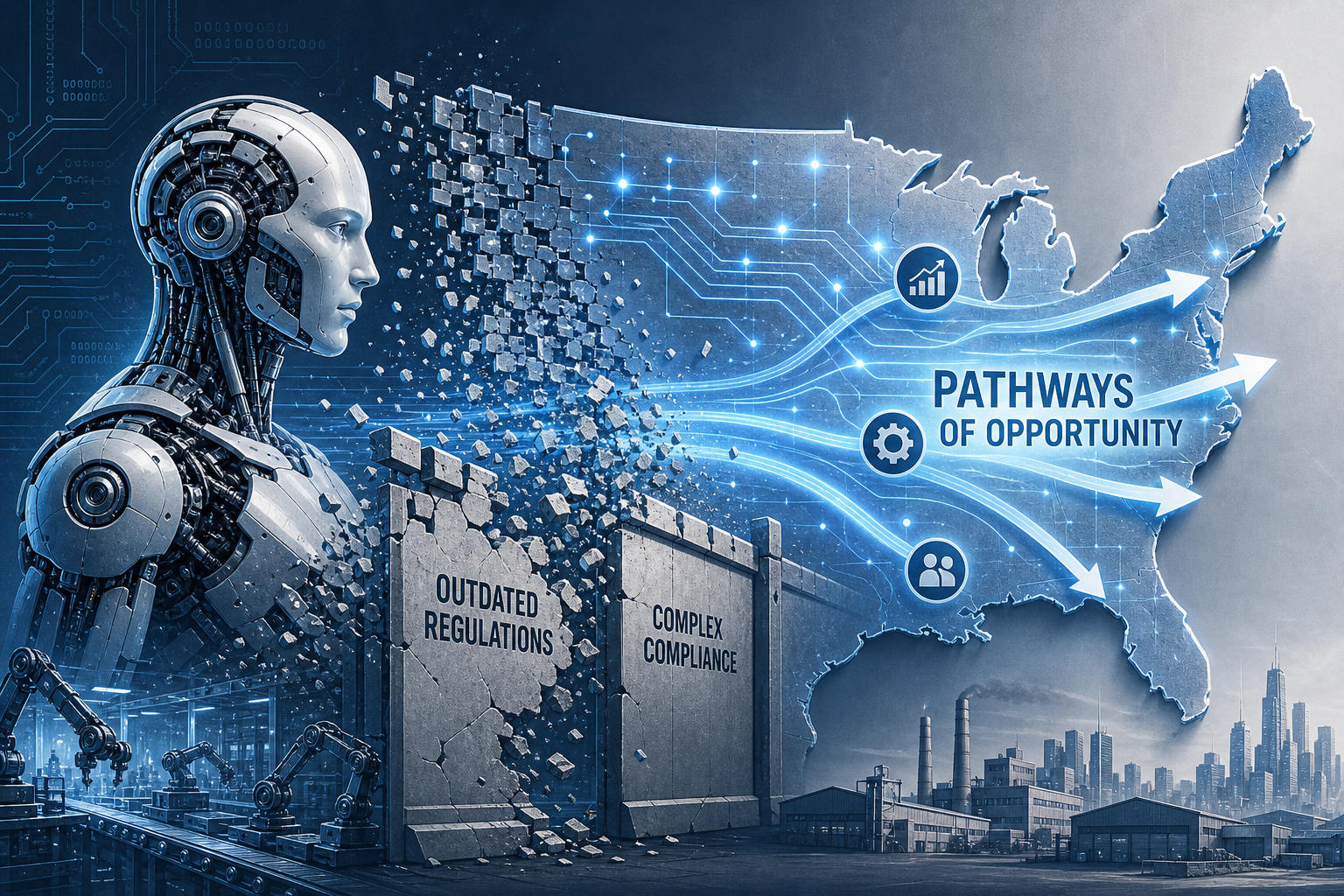
Technology often feels boundless, yet regulatory decisions can swiftly alter the landscape of innovation. A recent decision by the Federal Communications Commission (FCC) to ban foreign-made robots has placed RoboStore, a U.S. distributor of Shenzhen Robotics' popular humanoid robots, at a crossroads. Rather than being deterred, RoboStore is taking a bold step by establishing manufacturing operations within the United States. This move is about more than just compliance; it's a strategic adaptation to a rapidly changing market.
The U.S. Ban: A Catalyst for Change
The FCC's ban, announced earlier this year, specifically targets foreign-made robots, aiming to address national security concerns. For RoboStore, whose operations are closely tied to technology from Shenzhen Robotics, this presented a major obstacle. The immediate effect was clear: their primary product line was suddenly off-limits. However, instead of seeing this solely as a setback, RoboStore has viewed it as a catalyst for transformation.
The regulatory change accelerated their plans to localize manufacturing. By transitioning production to the U.S., RoboStore seeks not only to circumvent the ban but also to capitalize on the growing demand for American-made technology. This calculated decision reflects a broader trend of companies reevaluating global supply chains amid geopolitical tensions and regulatory uncertainties.
Building a U.S. Manufacturing Base
Creating a manufacturing base in the U.S. is a challenging endeavor. It demands significant investment, both financially and in terms of infrastructure and talent acquisition. RoboStore's decision to pursue this path underscores their commitment to adaptability. They are not merely responding to a regulatory challenge; they are positioning themselves strategically for long-term growth.
This venture is likely to generate jobs and stimulate local economies, particularly in areas where manufacturing has declined. It aligns with a consumer trend favoring domestically produced goods, a momentum seen across various industries. By producing locally, RoboStore can enhance quality control, reduce shipping times, and potentially lower costs.
Navigating the Complexities of Localization
Transitioning to U.S. manufacturing presents its own set of challenges. RoboStore must navigate the intricacies of local regulations, labor laws, and potential supply chain disruptions. Additionally, they need to develop a workforce skilled in robotics and automation, which may involve partnerships with educational institutions or extensive training programs.