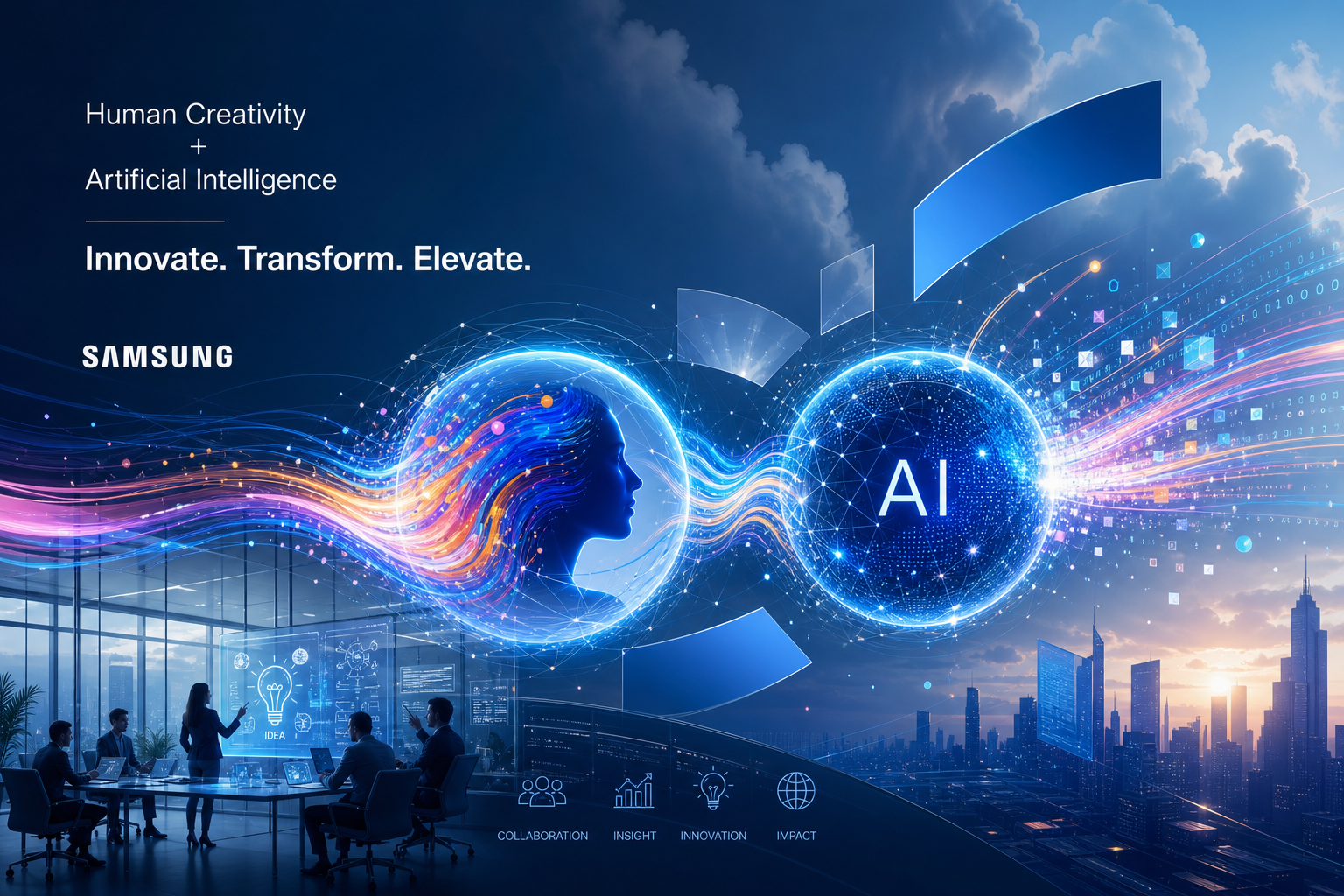
In a world where technology constantly reshapes the business landscape, Samsung Electronics has made a significant move that could redefine how enterprises harness artificial intelligence. By rolling out ChatGPT Enterprise and Codex to its employees globally, Samsung is not just adopting cutting-edge technology—it's setting a precedent for how AI can be woven into the fabric of corporate operations. This initiative is poised to transform productivity and innovation, and it's worth exploring how this decision might ripple across the industry.
Harnessing the Power of AI for Enhanced Productivity
The introduction of ChatGPT Enterprise and Codex at Samsung is a landmark in the integration of AI within large organizations. These tools are not mere conveniences; they represent a potential paradigm shift in how work is conducted. ChatGPT, with its natural language processing capabilities, can streamline communication, automate routine interactions, and assist in problem-solving, thereby freeing employees to focus on more strategic tasks. Codex, on the other hand, opens new avenues for software development by translating natural language into code, significantly reducing the time required for coding and debugging.
For Samsung, this means a potential increase in operational efficiency and a reduction in the cognitive load on its workforce. Employees can leverage AI to rapidly access information, generate insights, and automate mundane tasks, thus fostering a more dynamic and innovative work environment.
A Catalyst for Innovation
The deployment of these AI tools isn't just about efficiency; it's about sparking innovation. AI can be a powerful catalyst for creativity, providing teams with new ways to approach problems and develop solutions. By integrating these technologies, Samsung is equipping its workforce with advanced tools that can lead to breakthrough innovations in product design, customer experience, and beyond.
Consider the possibilities: engineers could use ChatGPT to brainstorm and refine ideas quickly, while Codex could enable rapid prototyping and iteration of software solutions. This confluence of technology and human ingenuity could lead to the development of products that are not only technically superior but also more aligned with user needs and market demands.
Implications for the Industry
Samsung's decision to embrace AI at such a scale sends a powerful message to the industry. It underscores the necessity for companies to adapt and evolve in the face of rapid technological advancements. As AI becomes increasingly sophisticated, businesses that fail to integrate these tools risk falling behind in terms of both innovation and efficiency.
Other companies may now feel the pressure to follow suit, triggering a wave of AI adoption across sectors. This could lead to a broader transformation in how businesses operate, with AI becoming an integral part of corporate ecosystems. However, this shift also brings challenges, such as the need for robust data management, ethical considerations around AI use, and the necessity for continuous employee training to effectively use these tools.
Reflecting on the Human Impact
While the potential benefits of AI in the workplace are immense, it's crucial to consider the human aspects of this transformation. Automation and AI should augment human capabilities, not replace them. Samsung's initiative should serve as a model for how technology can empower employees rather than render them obsolete.
The company’s approach highlights the importance of balancing technological advancement with human-centric considerations. By fostering an environment where AI enhances rather than diminishes the role of human creativity and decision-making, Samsung can ensure that its workforce remains engaged, motivated, and innovative.
As we witness this evolution, one might ponder: How can other businesses integrate AI in a way that respects and amplifies human potential? And, as AI continues to evolve, how will the relationship between humans and machines shape the future of work? These are questions that will guide us as we navigate the ever-changing landscape of digital transformation.