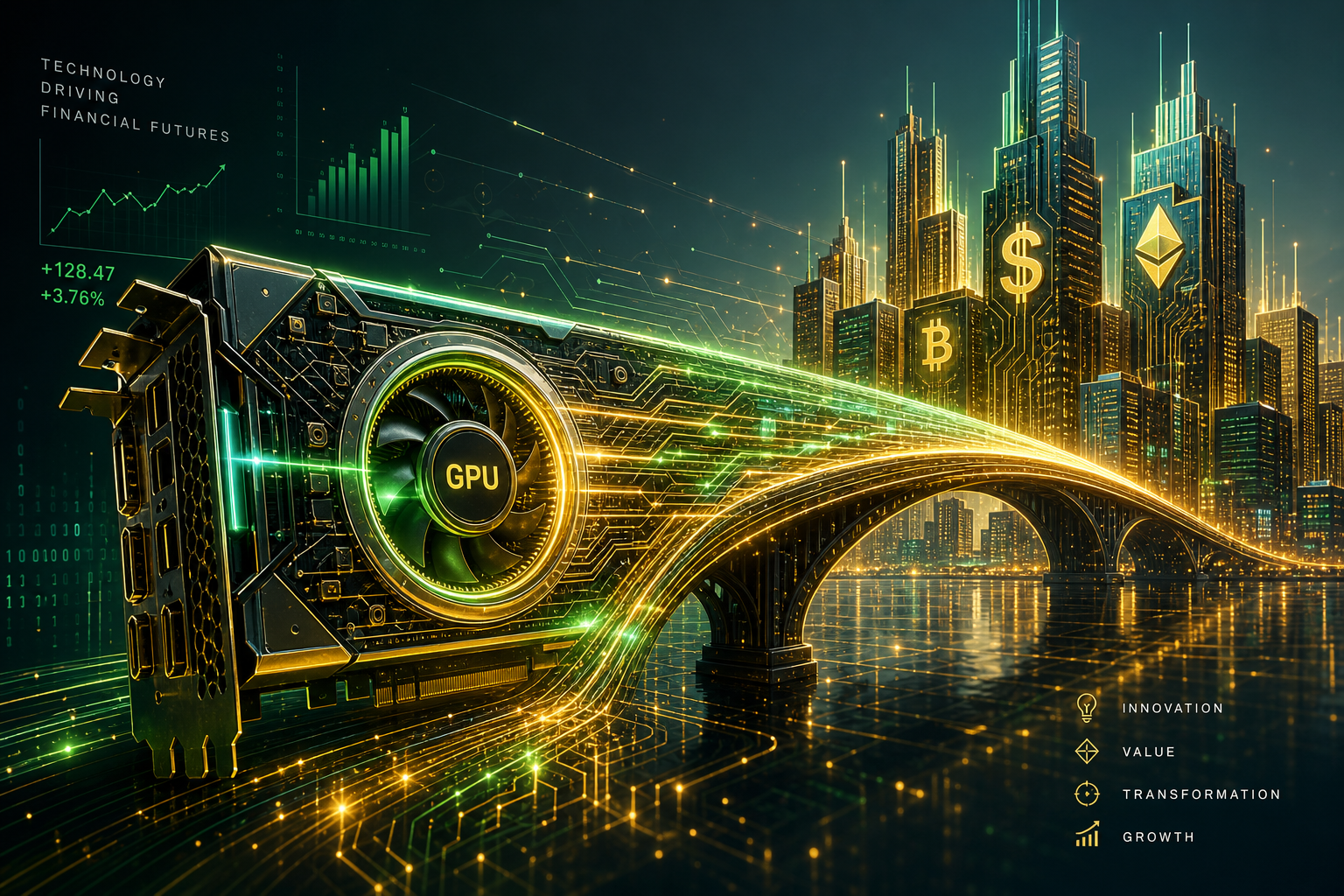
In the rapidly evolving world of artificial intelligence, Nvidia CEO Jensen Huang is contemplating an innovative concept: utilizing GPUs as long-term collateral to potentially unlock significant funding. While the idea of a $500 billion funding plan has been mentioned, this figure remains speculative and not officially confirmed. Huang's strategy hinges on the perceived enduring value of Nvidia's chips. However, this ambitious vision faces challenges, notably the swift depreciation of chip technology amid fierce competition, particularly from China.
The Vision: GPUs as Financial Instruments
Jensen Huang is renowned for his forward-thinking leadership at Nvidia, a company at the forefront of AI and computing technologies. His latest proposition involves viewing GPUs not merely as hardware but as financial instruments with lasting value. This approach could open substantial new funding avenues for AI advancements.
The intriguing part lies in the transformation of GPUs from a depreciating asset into a valuable financial tool. However, the tech industry’s notorious rapid cycles of innovation and obsolescence raise a critical question: how long can these GPUs realistically retain their value? A chip that is state-of-the-art today could become outdated within a few years, making the use of GPUs as collateral a risky endeavor.
The China Factor: Competitive Dynamics
China's influence in the global tech arena is significant, underscored by specific examples of rapid advancement and competitive pricing in the semiconductor space. Companies like SMIC and Huawei have made substantial strides in chip manufacturing. SMIC, for instance, has been advancing its 7nm process, while Huawei continues to innovate despite facing international trade restrictions.
For Nvidia, this means the value of their GPUs might be compromised by the relentless pace of Chinese innovation. Should Chinese manufacturers continue to produce more advanced chips at lower costs, Nvidia's offerings could lose their competitive edge faster than anticipated. This scenario presents a substantial risk to Huang’s strategy, as the underlying collateral might not maintain its value long enough to support the plan.
A Personal Take: Evaluating the Gamble
Reflecting on Huang's proposal, I find his vision audacious yet fraught with challenges. Transforming our perception of technological assets could indeed pave new paths for investment and growth. However, I remain skeptical about the viability of using hardware as long-term collateral in such a volatile market. The real question isn't just about the current worth of Nvidia's GPUs but about their future relevance in a rapidly evolving landscape.