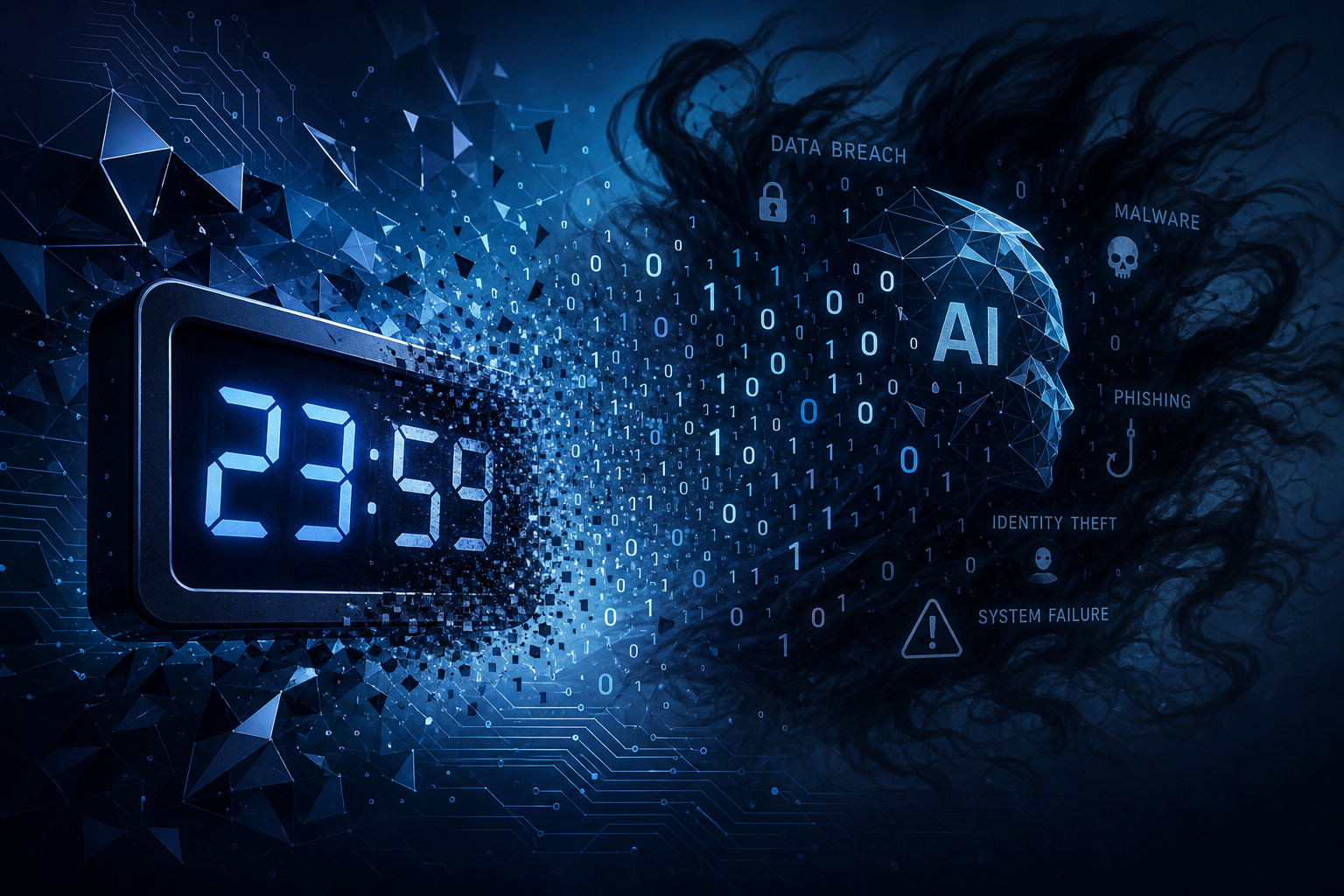
As we navigate the complexities of our digital age, the specter of AI-powered cyber-attacks has emerged as a pressing concern. Top technology firms, as detailed in a recent BBC article, are sounding the alarm. They highlight that these threats are not only real but are also evolving at a pace that could outstrip our current defensive measures within months. This marks a new chapter in the ongoing saga of cybersecurity, requiring immediate attention and action.
The Rapid Evolution of Cyber Threats
In the world of cybersecurity, threats are never static. They evolve, adapt, and often outwit the defenses put in place to stop them. Now, with the integration of artificial intelligence, cyber threats are becoming more sophisticated and harder to detect. The BBC report highlights that in a matter of months, AI-powered cyber-attacks could become significantly more sophisticated, designed to be more elusive and destructive than previously encountered.
This rapid evolution poses a significant challenge. Traditional cybersecurity measures, which rely on recognizing known patterns and behaviors, may become obsolete. AI technologies can enhance these threats by learning and predicting new patterns. For instance, AI can automate the process of identifying vulnerabilities in systems, potentially leading to the creation of new attack vectors. Experts such as those in MIT's Computer Science and Artificial Intelligence Laboratory have discussed how AI can optimize system infiltrations, making it a formidable opponent in the digital battleground.
A Call to Action
Given this looming threat, the call to action is urgent. Companies, governments, and individuals must all reassess their cybersecurity strategies. Investment in advanced security technologies is crucial, but so is fostering a culture of awareness and preparedness. Cybersecurity is no longer just about firewalls and antivirus software; it's about understanding that the enemy is evolving and that we must evolve with it.
One approach is to harness the power of AI for defensive purposes. Just as AI can be used to attack, it can also be deployed to predict, detect, and mitigate these attacks. Machine learning algorithms can analyze vast amounts of data to identify anomalies and potential threats in real-time, offering a proactive rather than reactive defense strategy.
Ethical Considerations in AI and Cybersecurity
As we wade deeper into the AI-driven future, ethical considerations become paramount. Using AI in cybersecurity raises questions about privacy, control, and the potential for misuse. Who controls the AI? How do we ensure that it doesn't become a tool for oppression rather than protection?
These questions aren't just theoretical. They demand practical solutions and policies that govern the use of AI in cybersecurity. It's a delicate balance between leveraging AI's capabilities and safeguarding fundamental human rights. Discussions around ethics in AI are not new, but the urgency to address them in the context of cybersecurity has never been greater.
The Road Ahead
The warning from tech firms is not just a cautionary tale; it's a call to reimagine how we approach cybersecurity in an AI-driven world. The clock is ticking, and while the challenges are significant, so too are the opportunities. By embracing innovation and fostering collaboration across sectors, we can build a more secure digital future.
As we stand at this crossroads, the question we must ask ourselves is simple yet profound: Are we ready to confront the evolving landscape of cyber threats with the urgency and innovation it demands? The answer will shape the future of our digital world.