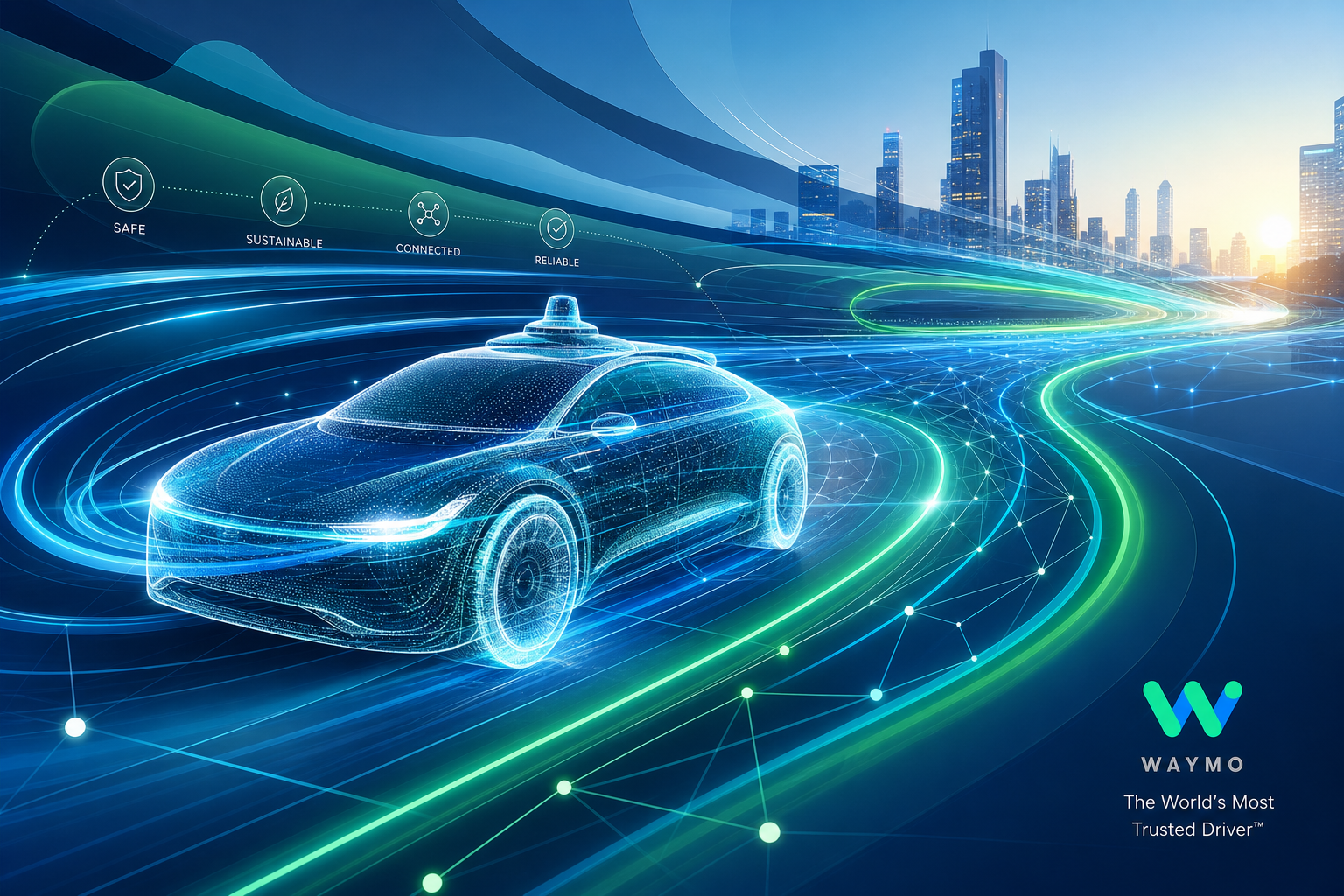
In the world of autonomous vehicles, the race to achieve mass adoption and profitability is driven by continuous innovation and accessibility. Waymo, a pioneer in this field, has just unveiled its next-generation robotaxi. According to reports, this model is central to the company's strategy to expand its reach and solidify its place in the market.
Expanding Horizons in Key Cities
The introduction of this next-gen robotaxi comes at a crucial time. As the autonomous vehicle industry matures, the focus has shifted from mere technological breakthroughs to practical, scalable solutions that can be integrated seamlessly into urban life. This vehicle is designed to be more affordable than its predecessors. It's suggested that operational costs have been reduced, making it a more attractive option for a broader user base. By reducing costs, Waymo aims to attract a diverse array of customers who may have previously been hesitant to embrace autonomous transportation due to price concerns.
Currently, the service is available to all riders in Phoenix, San Francisco, and Austin. Launching in these cities reflects a strategic combination of regulatory approval, urban infrastructure readiness, and market demand. Each city represents a unique testbed for the robotaxi's capabilities and user acceptance, providing invaluable data for future expansion.
The Quest for Mass Scale and Profitability
Waymo's journey towards mass scale and eventual profitability is not just about deploying more vehicles. It involves creating a system that is reliable, safe, and trusted by the public. This new model plays a central role in this mission by addressing two critical aspects: cost efficiency and user experience. Lowering operational costs while maintaining a high standard of service is essential for Waymo to compete effectively with traditional ridesharing services and other autonomous vehicle companies.
But profitability in the autonomous vehicle sector is a complex equation. It requires not only enough vehicles on the road but also a steady stream of users willing to choose this mode of transportation regularly. The success of this robotaxi will depend on how well it can integrate into daily life, offering convenience and reliability that outweigh any residual hesitations about driverless technology.
A Personal Take on the Future
From my perspective, the launch of Waymo's next-gen robotaxi is a promising step forward but not without its challenges. The technology itself, though impressive, is only part of the equation. Public perception and trust are equally critical. Autonomous vehicles must prove themselves not just in terms of safety but also in terms of convenience and reliability. There's a delicate balance between innovation and user acceptance, and Waymo must navigate this carefully.