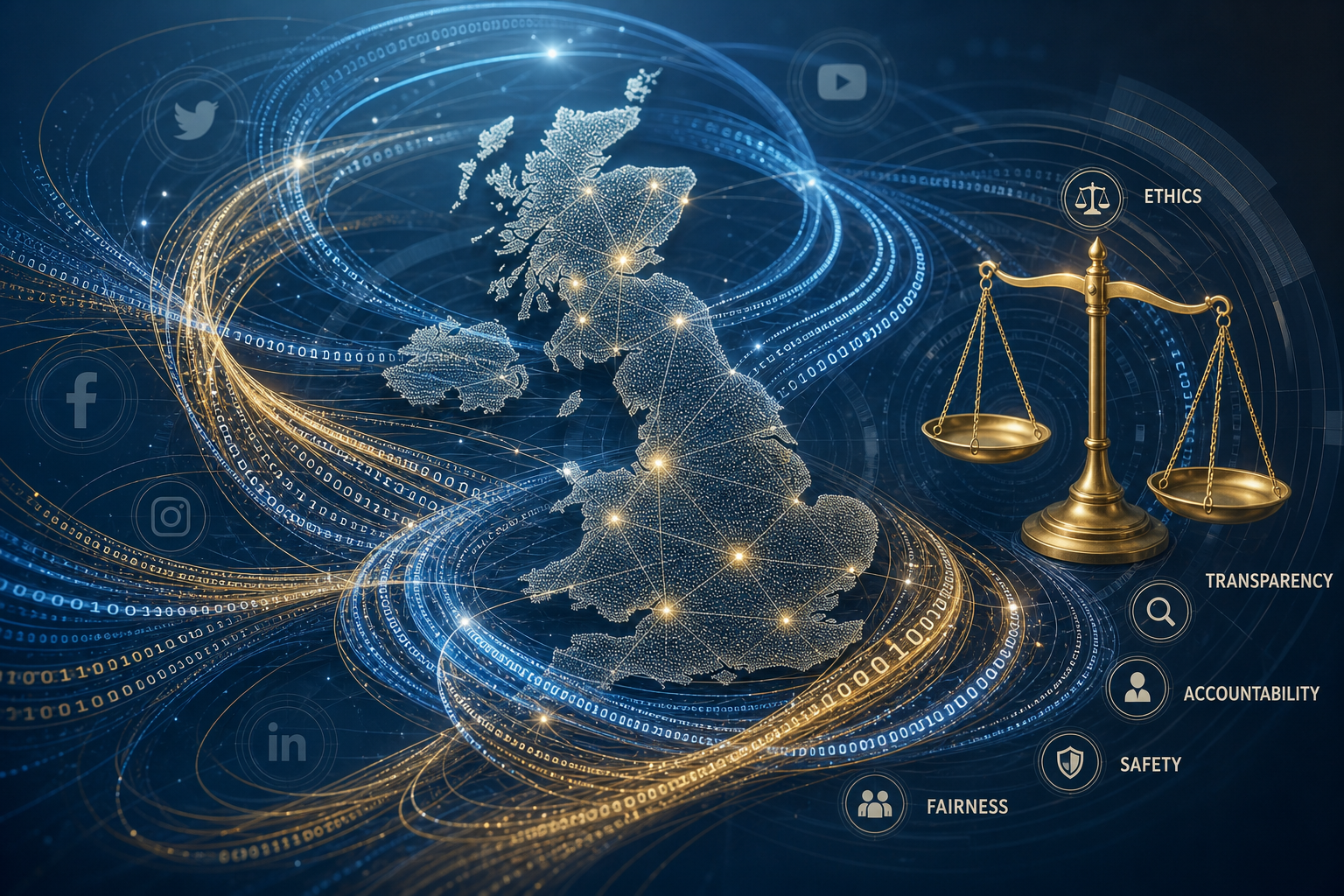
The recent settlement involving Meta has stirred up a whirlwind of discussions in the UK regarding social media regulation. For many, this isn't just another corporate legal matter; it's a pivotal moment highlighting the ethical responsibilities that tech giants need to shoulder. But what does this settlement really mean for the UK, and why does it matter so much?
The Settlement's Ripple Effect
To grasp the significance of this settlement, we need to understand the broader context. While the exact figures of the settlement remain under wraps, it's clear that it revolves around data privacy concerns. This could set a precedent for how data and privacy issues are handled in the future. The UK, having retained the GDPR framework post-Brexit under the name UK GDPR, finds itself in a unique position to influence global norms. This settlement might indeed be the catalyst for a more robust framework holding tech companies accountable.
Campaigners have been vocal about their worries, emphasizing that this deal could either fortify or undermine user privacy. It's a delicate balance between enforcing regulations and fostering innovation. The debate isn't just about Meta; it's a harbinger of how other companies might be affected. So far, other social media firms have remained silent, perhaps weighing their options or awaiting further developments.
Complexities in Enforcing Digital Ethics
The world of digital ethics is anything but straightforward. As technology evolves, so do the ethical dilemmas it presents. In the case of Meta, the settlement brings to the forefront issues of transparency, consent, and the right to privacy. While these aren't new topics, the rapid pace at which digital platforms grow makes them more pressing than ever.
It's essential to recognize that enforcing digital ethics isn't as simple as drafting laws. There are nuances and grey areas that require careful consideration and collaboration between regulators, companies, and users. The UK's role could be pivotal, acting as a mediator and possibly a model for other countries looking to tighten their own regulations.
What This Means for Users
For the average social media user, these developments might seem distant and abstract, but they have tangible implications. A settlement like this could lead to more transparent data usage policies, giving users more control over their personal information. However, it also raises questions about the extent of government intervention and the potential for overreach.
The balance between privacy and innovation is delicate. While stricter regulations could protect users, they might also stifle the very innovation that drives the tech industry forward. This is a tightrope walk that requires careful navigation, and it's one that the UK is now squarely in the middle of.
A Personal Reflection
As someone who has followed the intersection of AI and ethics for years, I find this moment both exhilarating and daunting. The Meta settlement is a microcosm of the larger challenges we face in the digital age. It exemplifies the tension between technological advancement and ethical responsibility. We are at a crossroads where the decisions made today will shape the digital landscape of tomorrow.
The questions remain: How will other tech companies respond? Will this lead to more comprehensive global standards? And, most importantly, how can we ensure that the digital world remains a space that respects and upholds human dignity?
These aren't easy questions, nor do they have simple answers. But they are questions worth asking, and I believe they compel us to engage deeply with the ethical dimensions of technology. What do you think? How should we navigate this complex web of digital ethics?