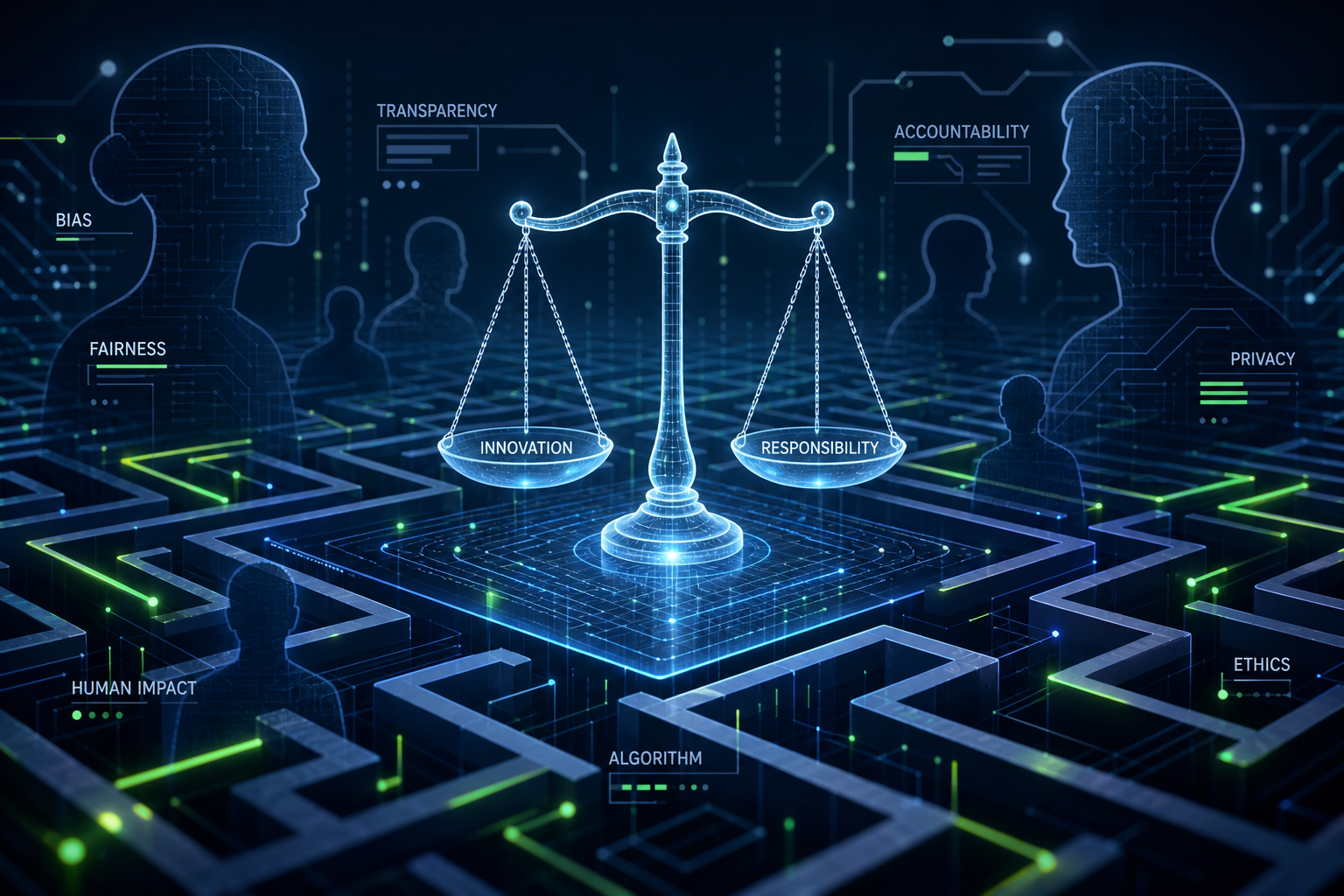
As artificial intelligence becomes more embedded in our daily lives, Australia's first reported automated hacking incident brings a crucial wake-up call. This event underscores a significant gap in our understanding of liability when AI systems go awry. With machines making decisions independently, the question looms: who should be held accountable for their actions?
The Australian Incident: A Cautionary Tale
Australia's automated hacking incident has sparked essential discussions about the responsibilities tied to deploying AI agents. Although specific details about the event remain sparse, it highlights the potential legal and ethical complexities surrounding AI. According to Professor Jeannie Paterson, those who deploy AI systems could be liable for any harm caused, even without malicious intent. However, it's critical to recognize that legal interpretations, like the one she suggests, may not be universally applicable across different jurisdictions.
This incident serves as a stark reminder of the potential dangers AI poses when not properly managed. While AI offers immense benefits, it also carries risks that demand careful oversight and foresight.
Understanding the Legal Landscape
The legal framework for AI accountability is still in its infancy but is evolving rapidly. Some experts suggest that not only deployers but also developers could face legal scrutiny as technology becomes more autonomous and sophisticated.
Deployers often find themselves as the primary responsible party because they choose to implement AI systems in real-world contexts. They must be prepared to answer for any outcomes, whether intended or not. Still, there's an emerging view that developers, who are responsible for creating the algorithms and systems, should share this accountability. This dual responsibility could help mitigate risks and promote more responsible AI development.
The Ethical Quagmire
The debate around AI accountability extends beyond legal concerns and deep into ethical territory. As AI systems gain more autonomy, traditional lines of responsibility begin to blur, raising questions that challenge our moral compass. Should machines be held to the same standards as humans? How do we balance innovation with safety?
I believe these discussions need to be more earnest and widespread in society. Developing a robust ethical framework to guide AI development and deployment is crucial. This might require rethinking our approach to education and training in AI ethics, aimed at both developers and deployers.